Leg 4: Oh, Crap! That’s A Lot to Do

I’ve moved plenty of times. Within a city. Across a state. From West to East and East to West. From North to South and back again. I’ve lived all over the United States. Any time there’s a move, a massive to-do list materializes around closing up shop in the current venue and opening afresh in a different location. The list of what needs to happen seems to self-populate, then overpopulate.

Some of that stays true for an international move — the old standbys remain: find a place to live, pack, set a departure date. Some new ones pop up, though: what do I need to do to get a visa? is my passport up-to-date? do dogs need passports? how do I look for a job in a country in which I do not speak the languages? how do we get on House Hunters International? So, while many Americans were planning what to do for Superbowl Sunday, my husband and I were sitting down to plan out what we knew to plan out for an international relocation.

Backwards planning, here we go:
Husband’s first day on the job is April 1.
We want at least a few days to adjust to the time change (9 hours), so let’s plan on March 23rd-ish.
Holy crap! Those plane tickets are expensive!
Is it any cheaper if we make about 14 stops along the way?
The dogs can’t make 14 stops along the way. Someone has to fly direct with them.
I wonder how much stuff we can manage to fit in a suitcase to bring on a flight.

“Hey, by the way, what are we doing with all our stuff?”

“What do you mean what are we doing with all our stuff?”

“Do we ship it all to Switzerland?”

“That sounds like an insane cost. It’s expensive enough to move within the country, but, overseas would be nasty.”

“So what are we going to do with all our stuff?”

“Mmmm… sell it?”

“All of it?”

“Or most of it?”

“That sounds like some insane logistics. Who will be here taking photos, creating posts, scheduling people to check out our stuff or pick it up?”

“Mmmm… Well, I have to go to work every day,” I gave Husband a you-know-what-I-mean look, and he gave me an Ain’t-No-Way-I’m-Doing-All-This response, so I said, “I guess we better get started.”

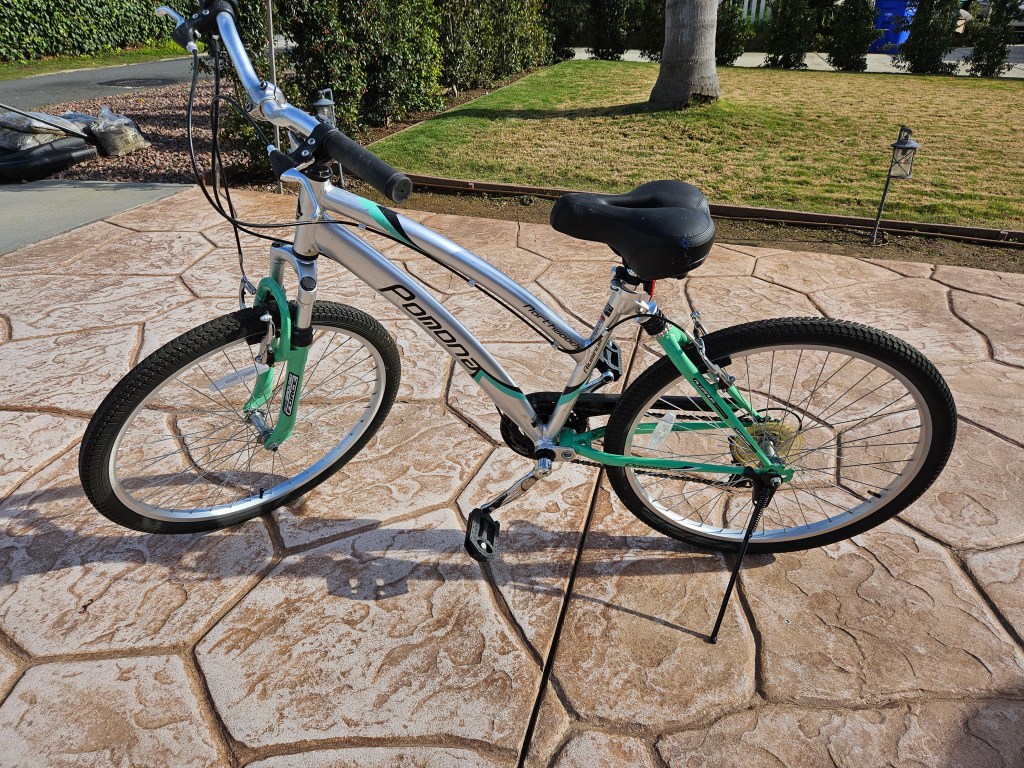
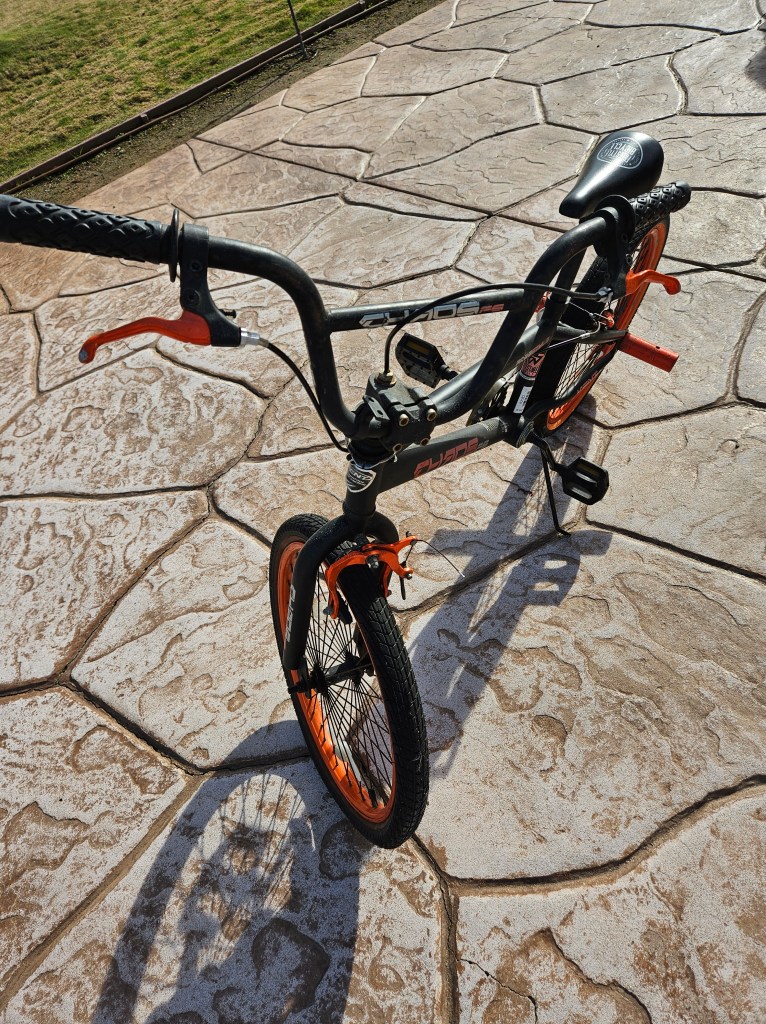
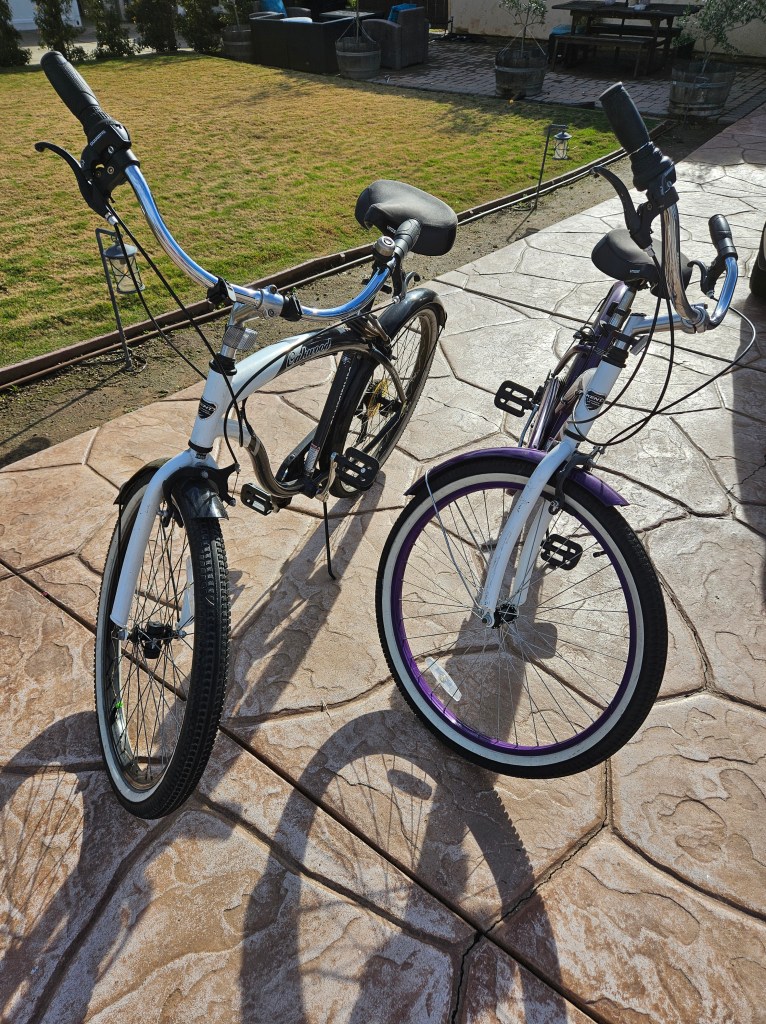
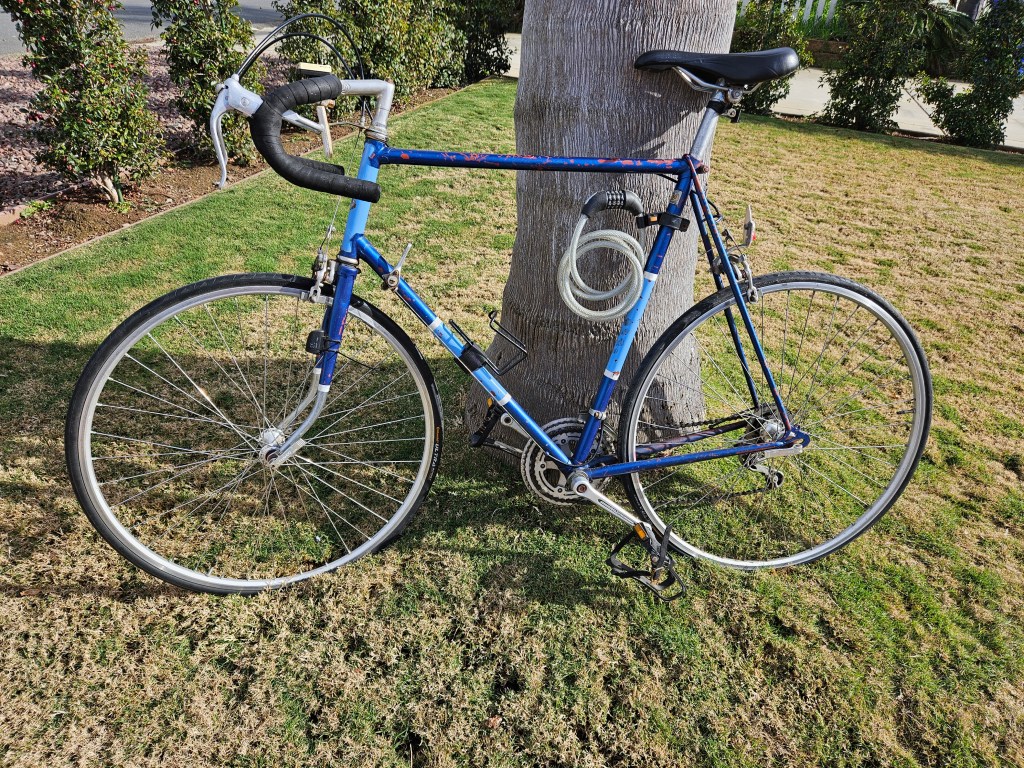
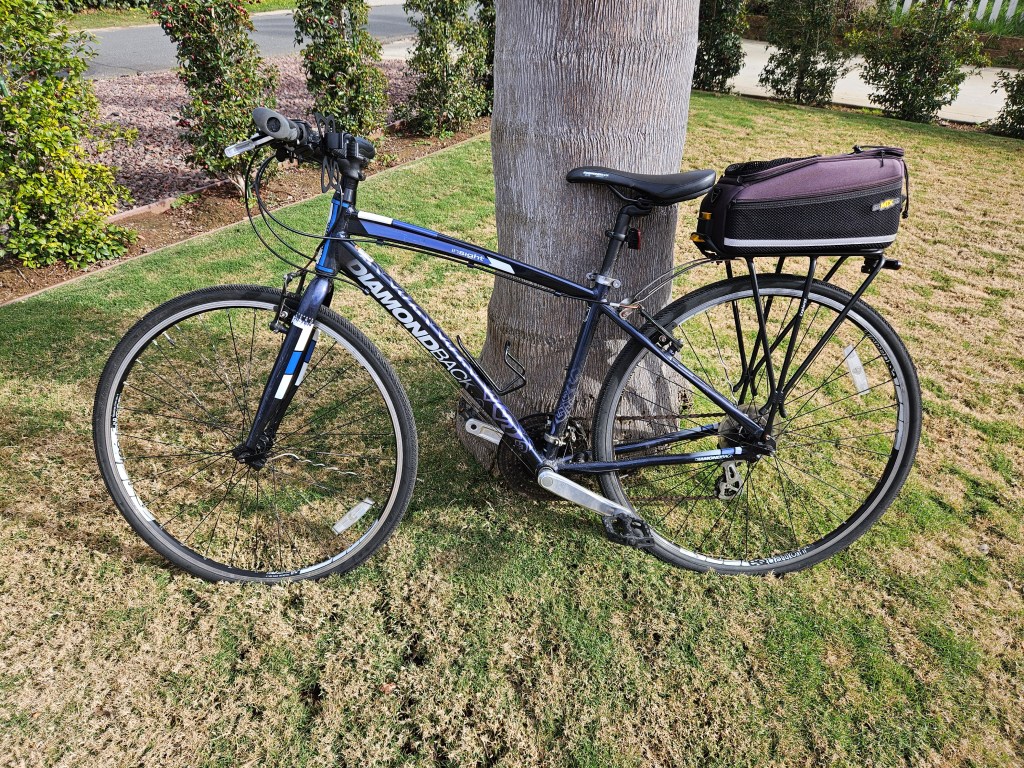
“Let’s start with the bikes,” suggested Husband. “They take up so much space in the garage anyway, and I hate how crowded it gets in there.”

“Yeah, if you help me bring them out, I can handle the bike posts.”

I opened the garage door, stepped outside, and Husband and I started dragging bikes up the driveway. I took pictures of their frames, their handlebars, their wheels, etc.

“Are you going to post them on Facebook Marketplace or Craigslist or OfferUp or what?” he asked.

“Yes,” I said. “Only I can’t access my Facebook account to use Facebook Marketplace.”

“Why not?”

I sighed heavily. “Ugh. New phone. Different computer. They don’t believe I’m me and I’ve no way to prove it anymore.”

“Well, just use mine.”
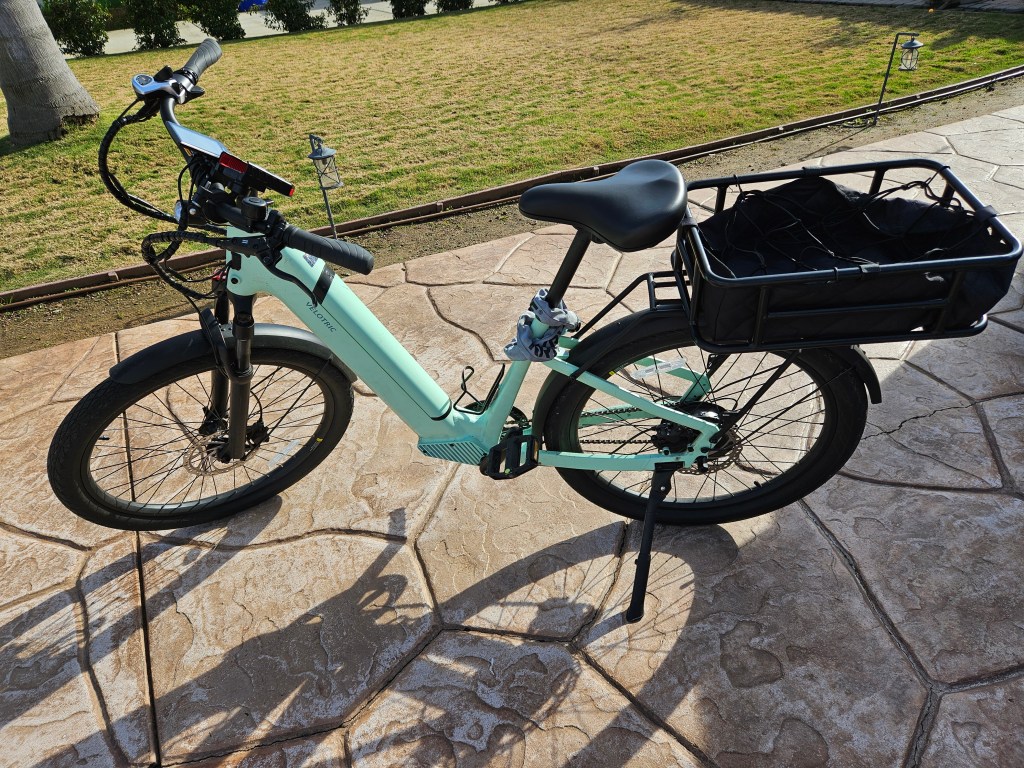
After three hours having the bikes up for sale, I decided this was not going to work. I could not stand the bombardment of emails asking if any of our eight bikes were still available or haggling for a cheaper price or suspiciously requesting that a distant relative pick up a bike after asking for Zelle or Venmo information. If a handful of bikes caused this much headache, what would it look like to sell almost everything we own?

Husband and I are thrifty shoppers. We do not disparage goods that belonged to someone else before we encounter them, and we welcome their story into our home. We have picked up numerous pieces of free furniture next to our neighbors’ mailboxes, and, if there’s a garage sale nearby, we head over with our vision piqued for a few key items. (I won’t tell you what they are because I’m not going to invite the competition.)

“Maybe we have a garage sale,” Husband thought out loud. “At least then all our stuff goes at once. Or several garage sales.”

“That’s probably wise,” I said.

Even as I voiced it, I thought it sounded exhausting. People are exhausting. Lack of structure is exhausting. A garage sale is both lots of people swarming in waves and hours and hours long right outside the door that leads to my very comfy bed — which I am not selling until I absolutely have to.

“I’m going to look into estate sales,” I said as the notion occurred to me. I would definitely pay someone to handle this mess for me.

So that’s what we did. I found the numbers for a couple of local companies, handed them off to Husband, and he did the rest. Set up appointments with them, selected one to use, set the dates, and we were on our way.

“Add it to the calendar!” Husband said. “The last week of February into the first week of March.”

“Why a whole week?” I asked.

“Because they do everything for us.”

“What do you mean everything?”

“Everything. They organize all our stuff and price it during the week so that on the weekend they are ready to have people shop. Then they run it like a store. They don’t even want us around.”

“That sounds awesome!” I declared.

“And get this?” he said. “The woman who will be in charge of our estate sale is named Richelle.”

I smiled. “Well, it’s meant to be.”

“Indeed. But anyway, we’ve got to be out of the house by the final week of February — and we have to have gone through everything in the house to know what we’re bringing to Switzerland and what we’re not so it can get sold. We need our suitcases so we can pack them and see what fits. We need some boxes to…uh… will your parents let us store some things?”

“You mean some stuff before we find a permanent apartment.”

Yes, in the meantime, Husband’s company committed to finding us a temporary apartment — three months on their dime. I mean, on their Swiss franc — because finding an apartment in Zurich is notoriously difficult. And what do we know about where to live in Zurich?

“Yeah. We’re bound to have some things we don’t need to travel with but will ultimately need while we live there.”

“Or want.” I thought of my antique books, my collection of Jane Eyre, the Ephesians study I’d written in college.

“Keepsake type stuff, too.”

“Yeah, they’d probably let us,” I told him. “I’ll ask my dad, buy suitcases for everyone since we only have one or two that remain usable, and figure out where we are going to stay during this estate sale while I still have work and the kids still have school.”

“And I’ll ask around to see if anyone will let us stay with them.”

“Great.”

“Speaking of school, we need to sit down and determine the boys’ last day.”

“And mine!” I eagerly jumped in.

Photo by Kobe – on Pexels.com

We met with Older Son’s high school counselor to gather information to make our decision and discovered that, because his school was on a trimester system, grades closed on March 7th on the day of his last final.

Perfect. March 7th would be his last day. And, since it turned out Younger Son’s grades closed on March 8th, we made that his last day and informed both schools of the plan.

“How about I finish before them?” I asked, thinking about how challenging it would be to live out of a suitcase at someone else’s home or in a hotel during the week of the estate sale, all while teaching a full time schedule.

“That’d be nice,” said Husband, “but I think I’ll have to punch some numbers and see what we can manage.”

GRRRRRR!!! Stupid logic! Can’t I just stop working now? I’m ready. Say the word. [see more about this mindset in the original post, The Preface] No? Sigh. Okay. Fine. Let math have its way. As always.

We ended up setting my last day a week after the boys’ left school: March 15th. The Ides of March. For an English teacher, it was fitting, but I’d rather have gone out on Pi Day. I didn’t want to be Caesar in this play! No et tu, Brute for me.

After weeks of revisions, the final [simplified — because I can’t even follow the madness of the full, complex, arrows-everywhere, to-do list post-its layered on top full version] schedule of events looked rather like this:

Photo by Anna Nekrashevich on Pexels.com

April 1: Husband’s first day on the job
March 26: Everyone arrives in Zurich March 25: KZ departs from LA with the dogs on a direct flight to Zurich
March 22: Husband and Boys depart from LA with stops to see relatives in different states along the way to Zurich
March 18-22: Sell KZ’s car
March 18: Leave San Diego, stay in LA
March 16: Goodbye Gathering
March 15: KZ’s last day teaching
March 10-15: Sell Husband’s car
March 7&8: Kids’ last day of school
February 28 – March 3: Estate Sale (find a place to stay)

{Use Backwards Planning to make your messy list something cleaner.}

Sounds simple enough, right? Yes, that is the simple list. — Oh, what the heck. Just to give you an idea, here are some of the to-do items flying out from that simple list.
Dog training — do they have to be crated or do they go in the cabin on the flight?
Rent out house — company? utilities? etc.
Fingerprints to FBI ASAP! (Visa)
U.S. Phone Numbers/Cell Phone situation
ALL Autopayments & Subscriptions — cancel
USPS Forwarding
Medical Records
Donation receipts
Electronic Waste
Shipping Guitars

You can see how these would have all sorts of arrows associated with them. It was chaos. It’s John Nash’s office after he was sent to the psychiatric hospital, or at least the film version of it.

It felt a bit like that, too. Not to belittle mental illness, but, my goodness, we felt the paranoia of missing something vital that would set us back or keep us from moving altogether, as well as the schizophrenia of a voice popping up, albeit our own, adding items and deadlines to the already haywire list. Something was bound to go wrong. It was only a matter of time before we found out what…
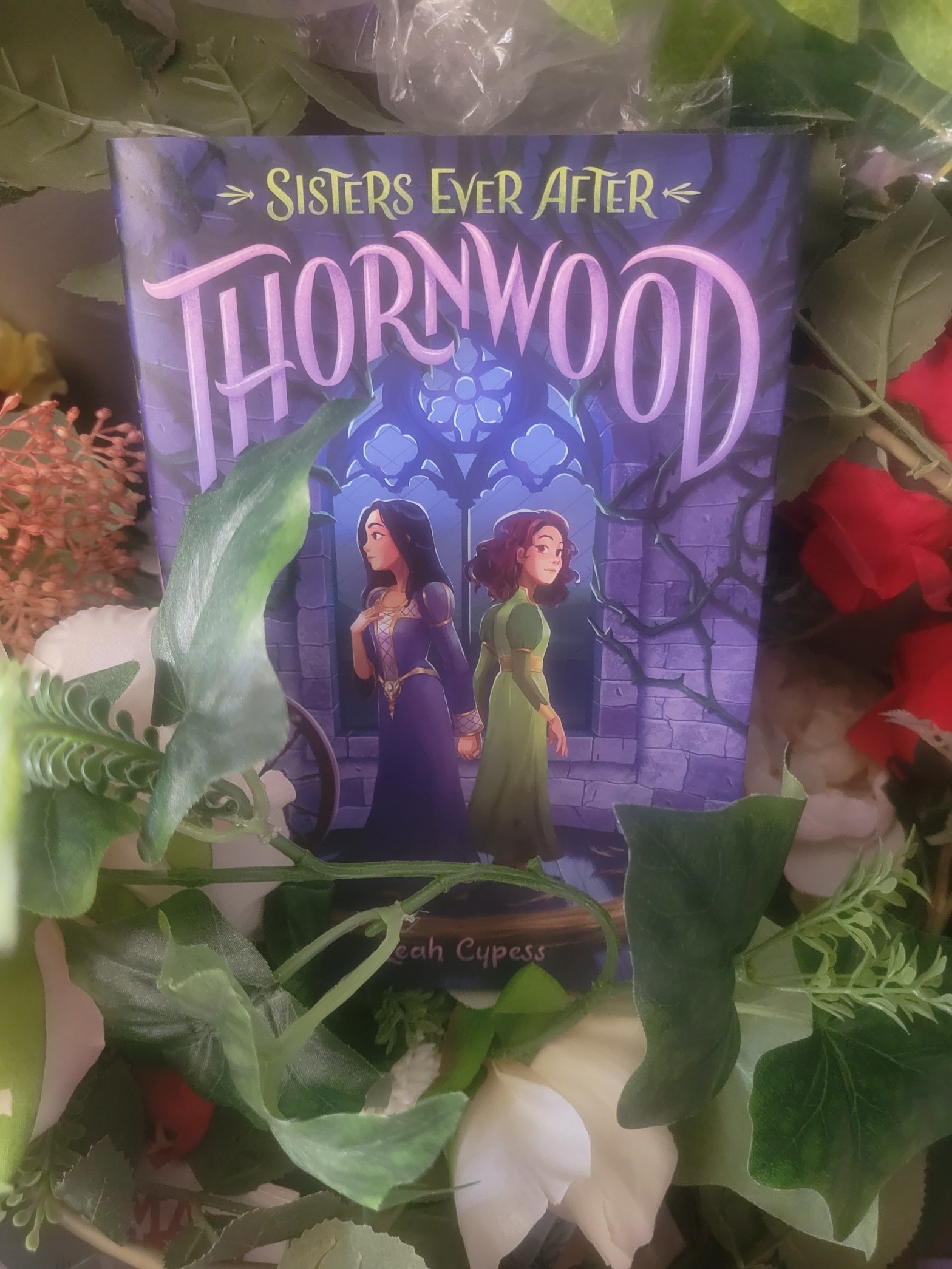
Book Review: Thornwood (Book 1 of Sisters Ever After)

The Best Thing about this Book is the story it comes from, that of Sleeping Beauty.

Premise: You know the story: on her sixteenth birthday she’d fall under a curse by pricking her finger on a spinning wheel. But did you know there was a sister? Briony is always in the shadows of her older sister, Rosalin, but now she’s telling the story and this one starts when the castle wakes after the curse set. What happened and why isn’t the curse fully broken? It’s up to Briony to put the pieces together and gain freedom from the murdering thornwood that is creeping ever-closer into the castle.

Rating: 2/5
Target: 3-7 grade

On the Rating: I am out of sync with many readers on this one, the reason for which I am unsure, but I can say I had to remind myself to read on in this book and keep the carrot of my to-read stack nearby. The voice bothered me as being particularly anachronistic (though it improved with more dialogue and less narration), which is to be expected, but was here annoying. Perhaps that’s it: I found Briony annoying, and she tells the story.

Main Character(s): Briony (she/her)

Motifs (not exhaustive): danger, heroism, courage, myths

Great for…* (readers): who are young and enjoy Sleeping Beauty without holding tightly to the following of the original narrative.

Great for…* (teachers): who need to add to the classroom library.

Parental Warning(s): None

Interact: Which version do you prefer and why: the Disney film or this book by Leah Cypress?

Shop local bookstores.
Shop Amazon.
Add on Goodreads.

*The “Great for” category is not exhaustive and does not intend to neglect the multitude of readers/teachers who could learn from this book in any number of ways.

RATINGS GUIDE

٭ = DNF, would not recommend
٭٭ = would not recommend
٭٭٭ = enjoyable, would recommend
٭٭٭٭ = very good, would recommend
٭٭٭٭٭ = amazing, would definitely recommend

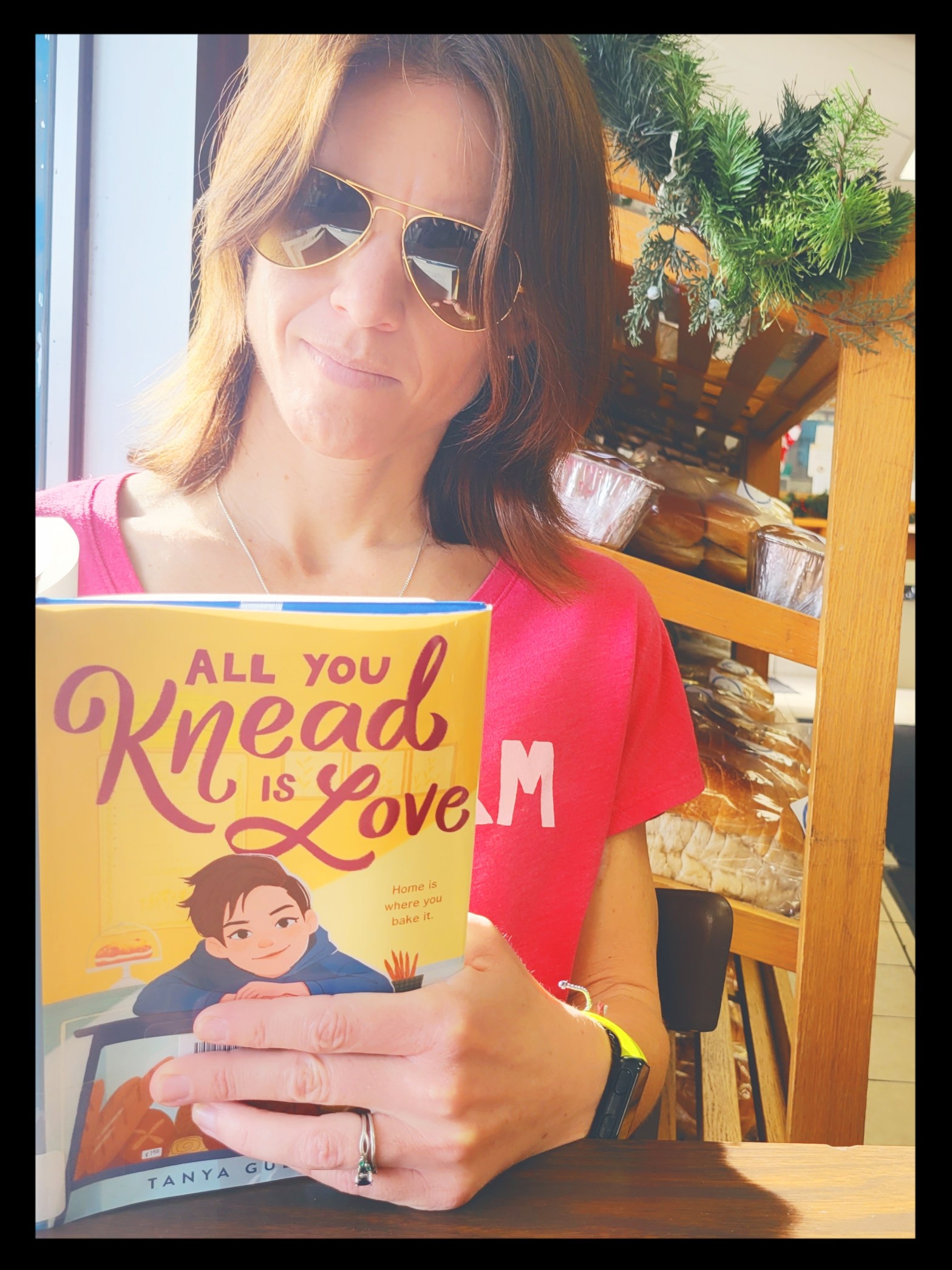
Vlog Review: All You Knead is Love

Hit Play on the video above.

The Best Thing about this Book is the cast of characters, many of whom could be considered outcasts but are comfortable in their own skin.

Premise: Alba is sent to Barcelona to live with her abuela, a woman she hardly remembers because Mom has finally had it. She’s threatened many times before, but now, she’s following through on the promise to ship Alba to a place she says will be better.

Rating: 3/5
Target: 4-8 grade

Title: Alba finds herself helping at a nearby bakery. As she discovers a passion for breads, she also finds several friends and sense of, well, love.

Main Character(s): Abla (she/her) — she often gets mistaken for a boy and there is some gender play here

Motifs (not exhaustive): new beginnings, baking, physical abuse, trauma, family, community, business

Great for…* (readers): who enjoy baking or Spain or feel like an outsider or just want to be loved……so, everyone.

Great for…* (teachers): who want a Lit Circle book.

Parental Warning(s): It’s clear Alba’s father is physically abusive to her mother and emotionally/verbally abusive to Alba and her mother. The fact of it is mostly referenced through her mother’s bruises and Alba’s statements about how her dad doesn’t like her.

Interact: What bread would go well with this book?

Shop local bookstores.
Shop Amazon.

Add on Goodreads.

*The “Great for” category is not exhaustive and does not intend to neglect the multitude of readers/teachers who could learn from this book in any number of ways.

RATINGS GUIDE

٭ = DNF, would not recommend
٭٭ = would not recommend
٭٭٭ = enjoyable, would recommend
٭٭٭٭ = very good, would recommend
٭٭٭٭٭ = amazing, would definitely recommend

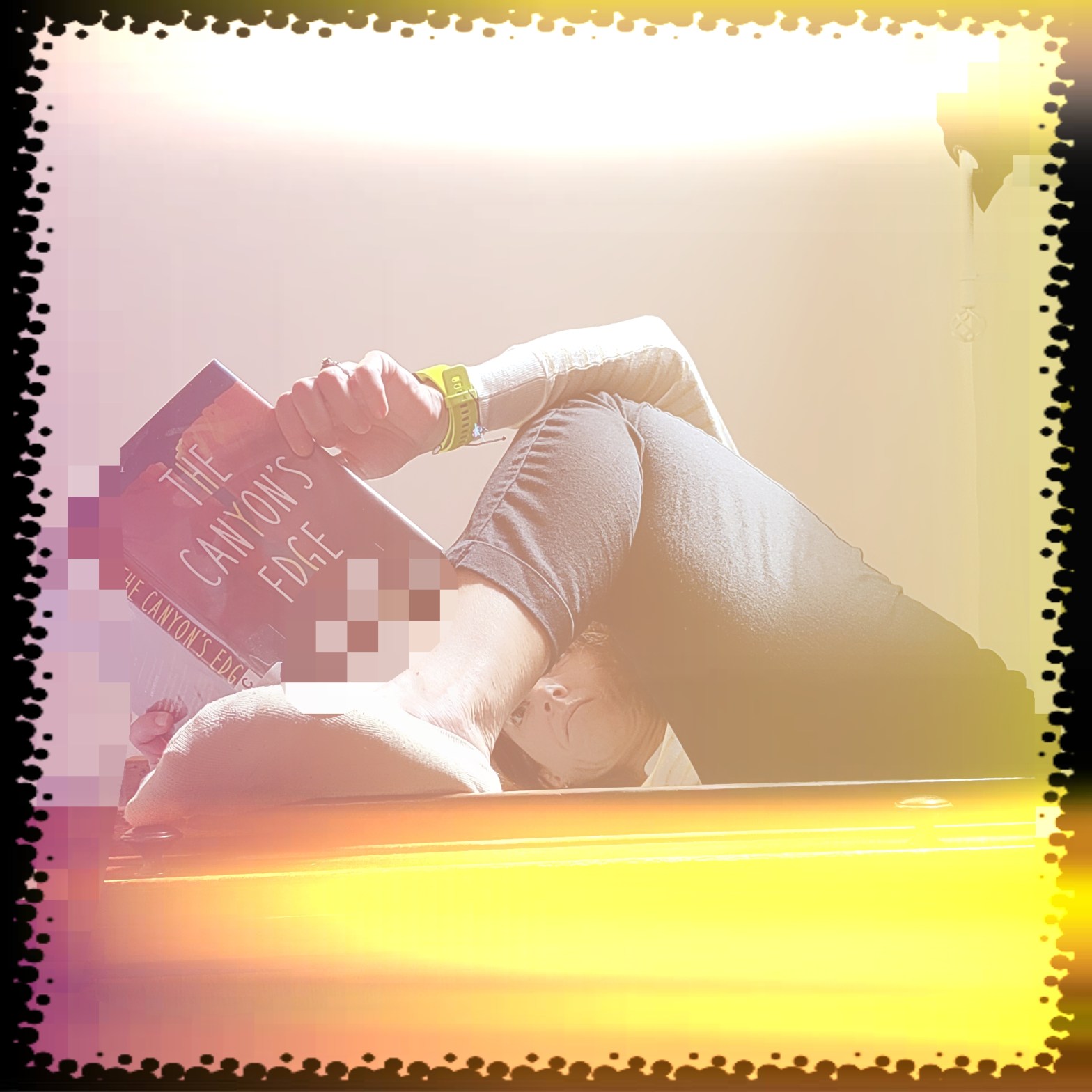
Vlog Review: The Canyon’s Edge

Hit Play on the video above.

The Best Thing about this Book is the combination of the adventure genre with verse.

Premise: Nora blames herself for her mom’s death. If it hadn’t been her birthday or if she’d chosen a different restaurant, her mom would still be alive. Instead, one year later, she and her anxiety-ridden dad who no longer trusts people (except Nora) brings her to a canyon to hike and climb. When an unexpected natural event separates Nora and her father, Nora must survive in the desert and find her father before she loses two parents.

Rating: 4/5
Target: 5-8 grade

Title: Interspersed in the events of the narrative, Dusti Bowling inserts flashbacks as well as therapeutic moments and reflections. The symbolic meaning of both a canyon and an edge are played with here in terms of the wariness we have of falling and the necessity to climb up when we’ve been pushed in (see cover art), among other things.

Main Character(s): Nora (she/her)

Motifs (not exhaustive): grief, PTSD, trauma, anxiety, survival, guilt, reflection, desert, solitude vs. loneliness

Great for…* (readers): who like Hatchet. Dare I say this is a newer, better adventure book rippling with figurative language?

Great for…* (teachers): who want to teach annotation and layers of reading. Good for incorporating poetry and different poetic forms. (Nora writes haikus regularly.)

Parental Warning(s): I mean, it’s there in the premise, isn’t it? Nora is dealing with the loss of her mother in an active shooter situation.

Interact: Which genre of nature’s beauty do you prefer and why: desert? coast? mountain?

Shop local bookstores.
Shop Amazon.
Add on Goodreads.

*The “Great for” category is not exhaustive and does not intend to neglect the multitude of readers/teachers who could learn from this book in any number of ways.

RATINGS GUIDE

٭ = DNF, would not recommend
٭٭ = would not recommend
٭٭٭ = enjoyable, would recommend
٭٭٭٭ = very good, would recommend
٭٭٭٭٭ = amazing, would definitely recommend

Vlog Review: This is my Brain in Love

Hit Play on the video above.

The Best Thing About this Book is either the POV technique (you get to switch perspectives mid-scene sometimes) or the author’s knowledge of mental health.

Premise:  Jocelyn’s family runs a small Chinese restaurant that might be seeing its last days. Will’s future in journalism depends on his ability to get over his anxieties and interact with people face-to-face. When the two troubles collide over one summer, Jocelyn and Will must face their inner struggles and their feelings for one another as they attempt to save A-Plus Chinese from going under.

Rating: 3/5
Target: 8th grade and up

Title:  Every chapter of the book follows the structure of the book title: “This is my ____ on/in _____.” More than that, though, the title captures the duality of the plot in dealing with challenges in brain chemistry for the two main characters and their passions.

Main Character(s): Jocelyn (she/her) and Will (he/him), high school sophomores

Motifs (not exhaustive): mental health, love, independence, entrepreneurship, family, business, tradition, anxiety, depression, film, photography, journalism

Great for…* (readers): who enjoy a love story without wanting to read a love story. (I know, that sounds off, but it’s true. The love plot between the characters takes a back seat in this one even though it’s not forgotten.)

Great for…* (teachers): who are capitalizing on POV. Both Will and Jocelyn tell this story from their different vantage points, and the reader sometimes switches whose head they’re in mid-scene. Also good for mental health discussions.

Parental Warning(s): Some cursing (minimal given today’s YA culture)

Interact: What do you remember about telling (or asking permission from) your parents for a first date ever?

Shop local bookstores.
Shop Amazon.
Add on Goodreads.

*The “Great for” category is not exhaustive and does not intend to neglect the multitude of readers/teachers who could learn from this book in any number of ways.

RATINGS GUIDE

٭ = DNF, would not recommend
٭٭ = would not recommend
٭٭٭ = enjoyable, would recommend
٭٭٭٭ = very good, would recommend
٭٭٭٭٭ = amazing, would definitely recommend

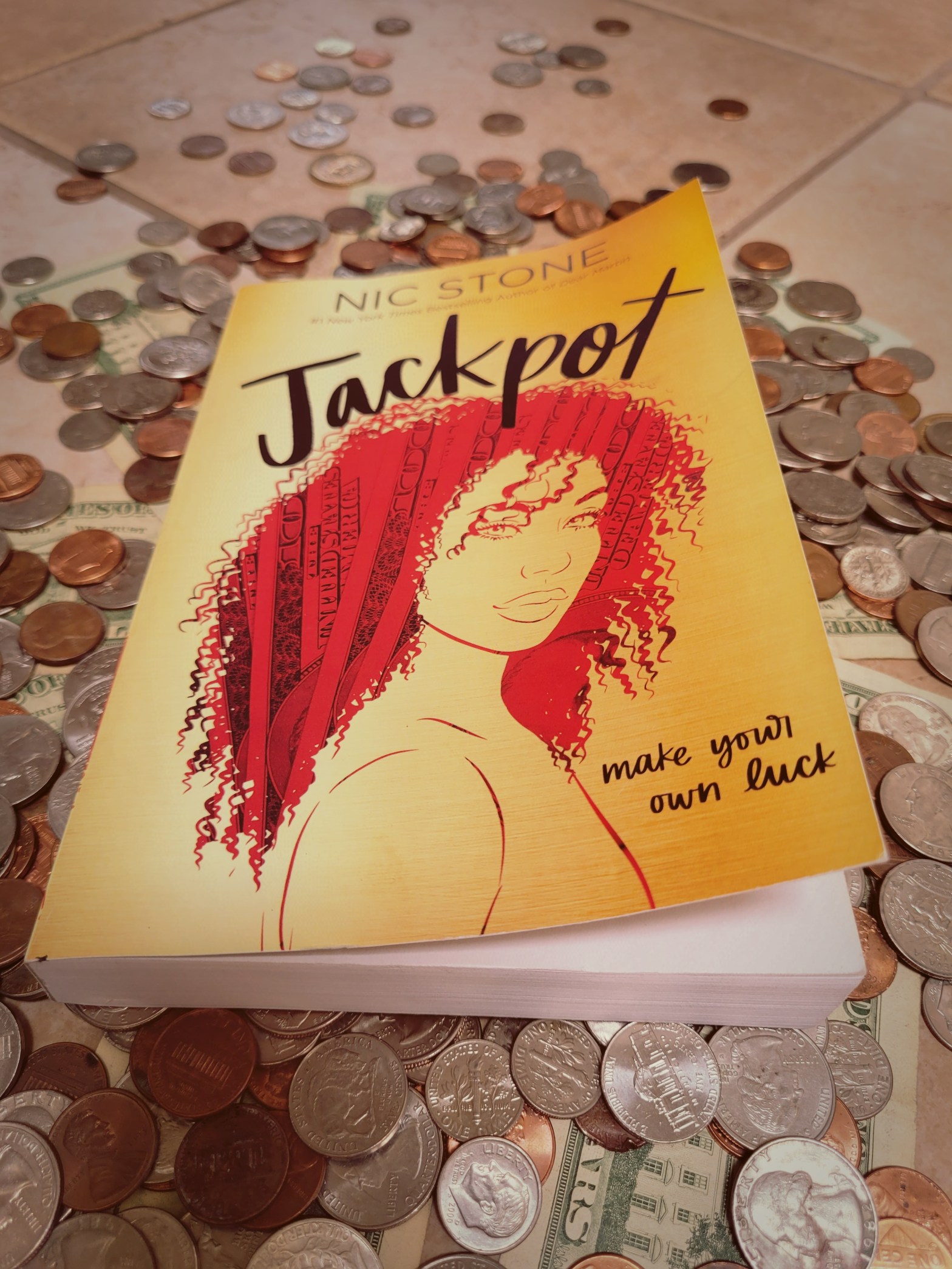
Vlog Review: Jackpot

Hit Play on the video above.

The Best Thing About this Book is how well Nic Stone captures the voice of the modern teenager.

Premise:  High school senior Rico has no plans for college. She can’t afford to dream of a future like that. She needs to keep working at the local gas station in order to help her mom with the bills and her brother. She doesn’t have time for anything else and prefers to live her high school life as invisible. No friends. No connections. Until the events of Christmas Eve lead her on a chase to find the winner of the Mega-Million lotto, a ticket she sold, requires assistance from the most beautiful and richest boy at school.

Rating: 3/5
Target: 8th grade and up

Title:  The literal rendition of the title refers to the lottery and the premise of the book, a book which delves into economic status on just about every page. I won’t add the figurative meaning other than to say, it may not be about money.

Main Character(s): Rico 17 y/o

Motifs (not exhaustive): love, friendship, money, belonging, choices, luck, poverty, wealth, responsibility

Great for…* (readers): who want something fun while still opening up discussion of money/wealth/poverty.

Great for…* (teachers): looking to add to classroom libraries, literature circles, and recommended reading lists. I don’t think this is one to teach.

Parental Warning(s): Some cursing, sexual references

Interact: What would you do if you won the over $200 million in the lottery?

Shop local bookstores.
Shop Amazon.
Add on Goodreads.

*The “Great for” category is not exhaustive and does not intend to neglect the multitude of readers/teachers who could learn from this book in any number of ways.

RATINGS GUIDE

٭ = DNF, would not recommend
٭٭ = would not recommend
٭٭٭ = enjoyable, would recommend
٭٭٭٭ = very good, would recommend
٭٭٭٭٭ = amazing, would definitely recommend

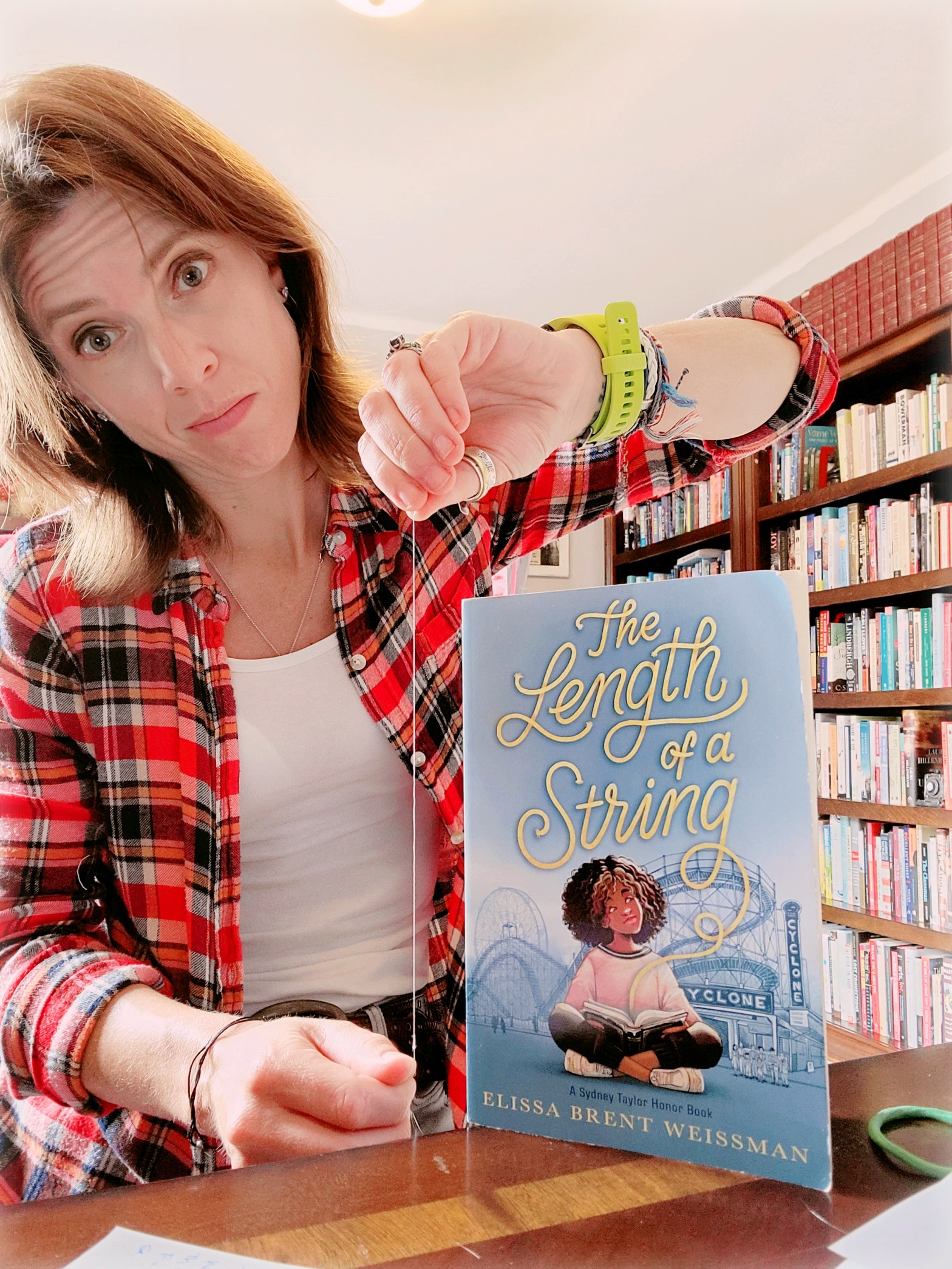
Vlog Review: The Length of a String

Hit Play on the video above.

The Best Thing about this Book is how the two stories weave together.

Premise: Imani will soon turn thirteen, and her plan to ask her parents to help her find her birth parents isn’t going as planned. Her mother is so sweet and fragile, Imani never wants to hurt her or make her cry, so she can’t seem to bring it up. But she can’t live not knowing where she’s from, especially when it’s so clear to everyone from her black skin that she did not come from her white parents. When Imani finds her great-grandmother’s diary from 1941, when she was twelve also, she begins to read it and discover she might not be as alone as she thought.

Rating: 4/5
Target: 4-8

Title: “The length of a string” is a phrase from Anna’s journal that she uses in connection with her identical twin sister to describe the way they connect without speaking. The title and the book deal with a number of relationships that get broken by circumstance — whether the Nazi campaign in the 1940s or being adopted in the 21st century or even the strain of parent/child relationships that happens through the teen years for so many. How long is that string that connects? Well, you’ll have to read the book to find out.

Main Character(s): Imani, 7th grade (she/her)

Motifs (not exhaustive): identity, family, friendship, siblings, history, World War II, Judaism, bat mitzvah, adoption

Great for…* (readers): who like mystery or realistic fiction or historical fiction. Also great for 8th-graders, who often read literature related to the Holocaust.

Great for…* (teachers): Setting is pivotal in each of the narratives and creates the conflict for much of the book. Studying how setting impacts other literary components/features seems as good a plan as any when reading this book.

Parental Warning(s): None that aren’t implied by the subject of the book.

Interact: This book made want to re-start my journal, which I’ve gotten very inconsistent with. Do you keep a journal? If so why and how often do you write in it? And if not, why not and have you ever considered it?

Shop local bookstores.
Shop Amazon.
Add on Goodreads.

*The “Great for” category is not exhaustive and does not intend to neglect the multitude of readers/teachers who could learn from this book in any number of ways.

RATINGS GUIDE

٭ = DNF, would not recommend
٭٭ = would not recommend
٭٭٭ = enjoyable, would recommend
٭٭٭٭ = very good, would recommend
٭٭٭٭٭ = amazing, would definitely recommend

Vlog Review: Taking Up Space

Hit Play on the video above.

The Best Thing about this Book is that the perspective gives you a window into what it’s like to devolve into unhealthy body image beliefs, eating habits, etc.. BUT IT MIGHT ALSO BE the coach.

Premise: Sarah’s love of basketball drives everything in her life: from friendships to food. But when her body is performing the way she wants it to, and her friendships are knocking into problems, how will she respond? Especially when she’s feeling like she doesn’t always matter to her mom, who sometimes forgets meals, and her dad, who travels a lot.

Rating: 4/5
Target: 6-9

Title: The title references a history of women literally taking up less space than men, even making themselves smaller. It deals with body image and body size as well as positioning on a basketball court.

Main Character(s): Sarah, 7th grade (she/her)

Motifs (not exhaustive): food, body image, basketball, friendships, crushes, cooking, therapy, family, mother-daughter relationship, reading, health

Great for…* (readers): who have a friend or family member who suffers an eating disorder or disordered eating and for female athletes.

Great for…* (teachers): discussion around societal norms/expectations and pressures teens feel.

Parental Warning(s): I’m not sure I would send a kid, especially a target-age-range girl off to read this alone. Get into the weeds with this one.

Interact: Sarah develops a passion for cooking. What’s your favorite thing to eat and/or recipe to cook it?

Shop local bookstores.
Shop Amazon.
Add on Goodreads.

*The “Great for” category is not exhaustive and does not intend to neglect the multitude of readers/teachers who could learn from this book in any number of ways.

RATINGS GUIDE

٭ = DNF, would not recommend
٭٭ = would not recommend
٭٭٭ = enjoyable, would recommend
٭٭٭٭ = very good, would recommend
٭٭٭٭٭ = amazing, would definitely recommend

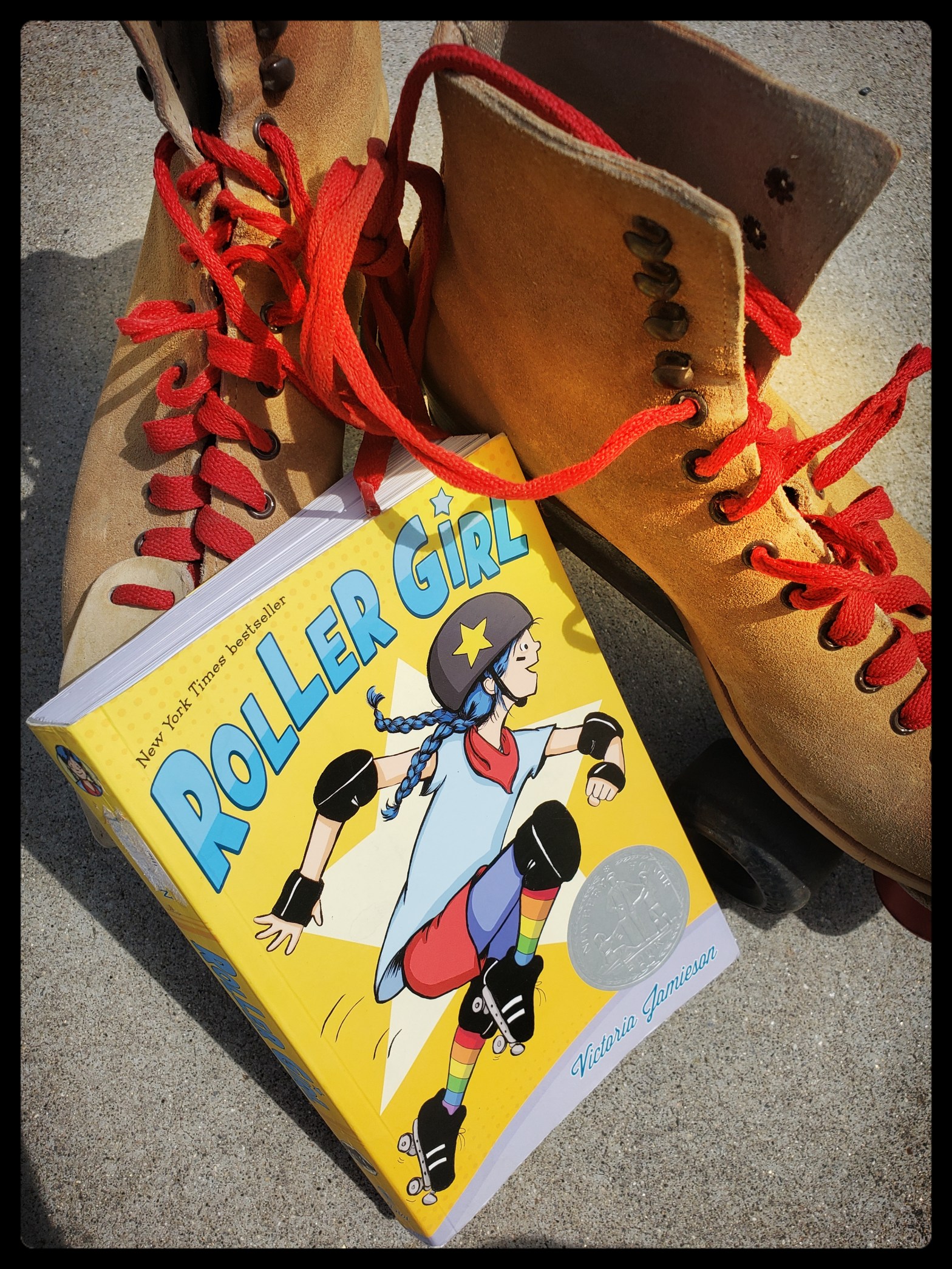
Vlog Review: Roller Girl (a graphic novel)

Hit Play on the video above.

***********GRAPHIC NOVEL AND NEWBERY HONOR BOOK***********

The Best Thing about this Book is the world of roller derby, of course. So fun.

Premise: Astrid has always been best friends with Nicole, but as they age, their interests are parting ways. While Astrid wants to learn to roller skate and participate in roller derby, Nicole wants to spend her summer at dance camp. Astrid must figure out her way on skates, in derby, in friendships, and family over the course of the summer.

Rating: 3/5
Target: 2-8

Title: This one’s more-or-less what you see is what you get: Astrid wants to be a roller girl.

Main Character(s): Astrid, 6th grade (she/her), 12 yo

Motifs (not exhaustive): friendship, identity, truth, change, sport, strength, female strength

Great for…* (readers): who are reluctant readers. It’s a graphic novel after all and the artwork is great. Good for goofy girls or edgy ones as well as athletes and roller derby enthusiasts. There is a girl power sub-element to roller derby that comes through in this book with few male characters.

Great for…* (teachers): This is not a book I’d use in class or as an assignment unless it were specific to the study of the structure of a graphic novels (perhaps in comparison to a traditional one).

Parental Warning(s): N/A

Interact: Have you ever been to a roller derby bout? Or would you?

Shop local bookstores.
Shop Amazon.
Add on Goodreads.

*The “Great for” category is not exhaustive and does not intend to neglect the multitude of readers/teachers who could learn from this book in any number of ways.

RATINGS GUIDE

٭ = DNF, would not recommend
٭٭ = would not recommend
٭٭٭ = enjoyable, would recommend
٭٭٭٭ = very good, would recommend
٭٭٭٭٭ = amazing, would definitely recommend

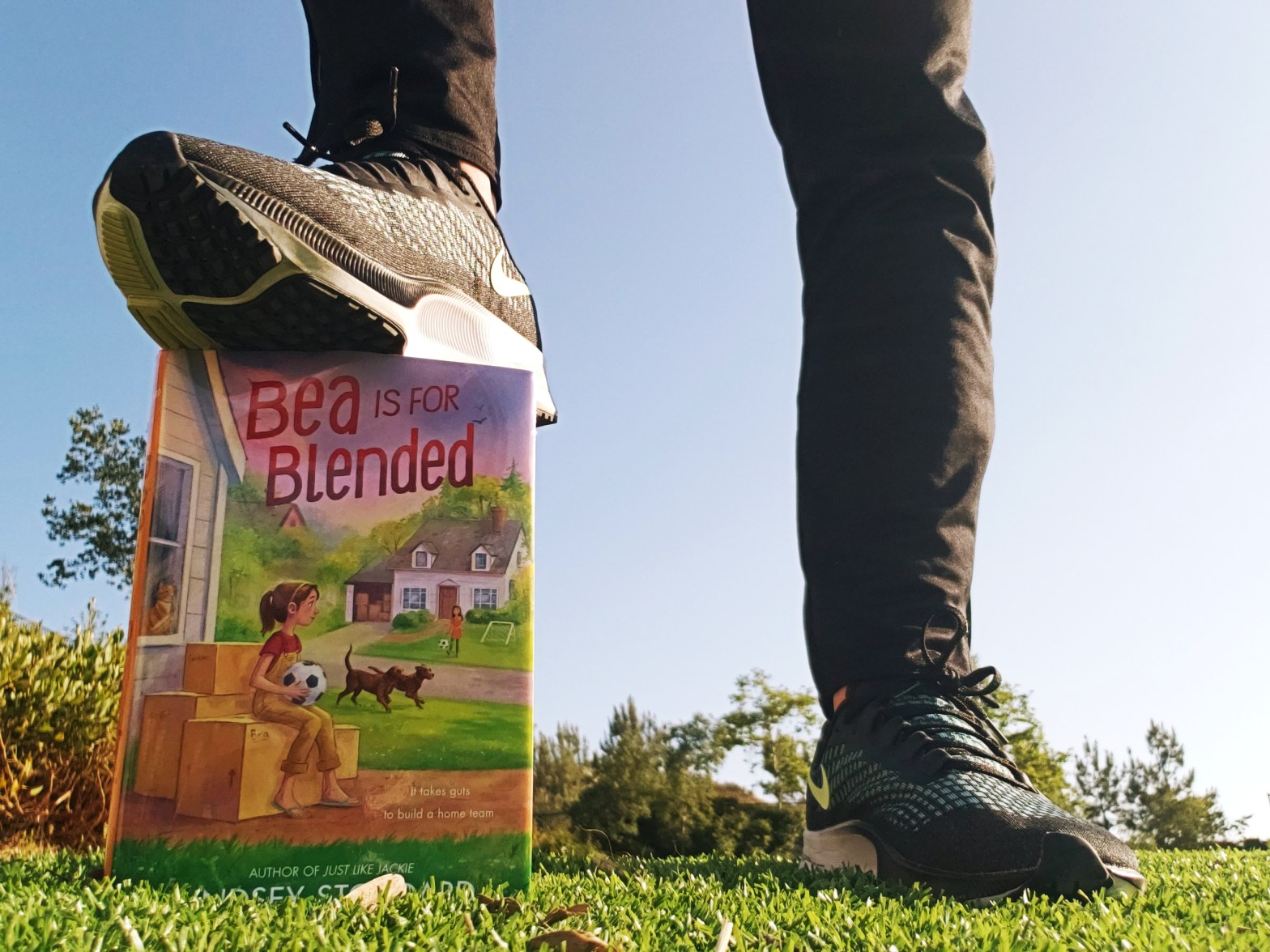
Vlog Review: Bea is for Blended

Hit Play on the video above.

The Best Thing about this Book is the daily practice of sharing three things you’re grateful for in the morning (“three things”). Close second: M&Ms for breakfast

Premise: Until her mother’s marriage changed Bea’s life, it was just her mom and her, the Embers girls (with fist bump). Marrying Wendell means a step-dad, step-brothers, step-pets, and, the reason for it all, a half-sibling. Now Bea is part of a blended family and all the chaos that comes with it.

Rating: 4/5
Target: 3-7

Title:  I’ll say it. As a Lindsey Stoddard fan, I’ve been less than impressed with the titles of her books. “B” is for blended. It sounds lower grades elementary though the book is not (and, yes, it does relate to a moment in school referenced below in the interact section). Bea is her name. And the primary conflict is the adjustment into a blended family, so there you have it. I’ll see if I can wiggle my way into the Stoddard camp to amplify these titles.

Main Character(s): Bea, 6th grade (she/her)

Motifs (not exhaustive): family, teamwork, girl power, unity, change, friendship, communication, reading, bullying, strength/confidence, doing what’s right, gratitude, soccer, sports, blended families, broken families, equity

Great for…* (readers): who are part of blended families or moving to a new location, girls in general (though it’s not a girls-only book), athletes.

Great for…* (teachers): I’d love to do a character study on this one — where you work with shadow traits (the negative side of a positive trait) and then analyze shadow traits for yourself. OF COURSE, there is the concept of equity in sports and double standards of gender which could branch into many levels of inconsistencies in culture.

Parental Warning(s): Bea and her mom have their own versions of swear words.

Interact: At one point in Bea’s class, the students introduce themselves with the name game we’ve all played at one point: the first letter of your name turns into a trait you possess. EX: K is for keen or B is for blended. What’s yours?

Shop local bookstores.
Shop Amazon.
Add on Goodreads.

*The “Great for” category is not exhaustive and does not intend to neglect the multitude of readers/teachers who could learn from this book in any number of ways.

RATINGS GUIDE

٭ = DNF, would not recommend
٭٭ = would not recommend
٭٭٭ = enjoyable, would recommend
٭٭٭٭ = very good, would recommend
٭٭٭٭٭ = amazing, would definitely recommend