
Vlog Review: Turtle Boy

Hit Play on the video above.

Premise: 12 y/o Will Levine just wants to be left alone with his four turtles. He doesn’t want to be called Turtle Boy by the kids at school. He doesn’t want to have surgery on his jaw. He doesn’t want new friends and he doesn’t want his one friendship to change. When Will must complete community service hours in preparation for his Bar Mitzvah, though, his world begins to shift. Will hates hospitals but is assigned to visit a terminally ill teenager with a bucket list he needs help completing. Can a boy who prefers a habitat inside his shell venture beyond it without destroying himself in the process?

Rating: 4/5
Target: 4-9

Title: The title has multiple meanings. The kids at school taunt Will with the name “Turtle Boy” because of the way he looks, but he is also interested in turtles. However, the significance of the title really rests in Will’s propensity to shelter himself from discomfort — like a turtle in a shell.

Main Character(s): Will Levine, 12 y/o (he/him)

Motifs (not exhaustive): grief/death, friendship, terminal disease, bar/bat mitzvah, change, music/drum therapy, turtles/pets, nature, single mom

Great for…* (readers): who are shy, bullied, anxious, or frightened. Many male characters make this a good read for boys while still being appealing to girls, too.

Great for…* (teachers): There’s a bucket list project, a community service project, and a cross-curriculum science/nature project waiting to happen with this book. Plenty to explore there, but the literary merit is mainly in character development, round/flat, dynamic/static, etc.

Parental Warning(s): For children who have experienced death of a parent/friend, this book could bring up memories.

Interact: Will’s favorite animal is, of course, the turtle. He does have a room full of terrariums and turtles, after all. Will says they are not pets, but, for the sake of this activity, let’s talk pets. What kind of pet did/do you want as a kid? Why? And did you ever get it?

Shop local bookstores.
Shop Amazon.
Add on Goodreads.

*The “Great for” category is not exhaustive and does not intend to neglect the multitude of readers/teachers who could learn from this book in any number of ways.

RATINGS GUIDE

٭ = DNF, would not recommend
٭٭ = would not recommend
٭٭٭ = enjoyable, would recommend
٭٭٭٭ = very good, would recommend
٭٭٭٭٭ = amazing, would definitely recommend
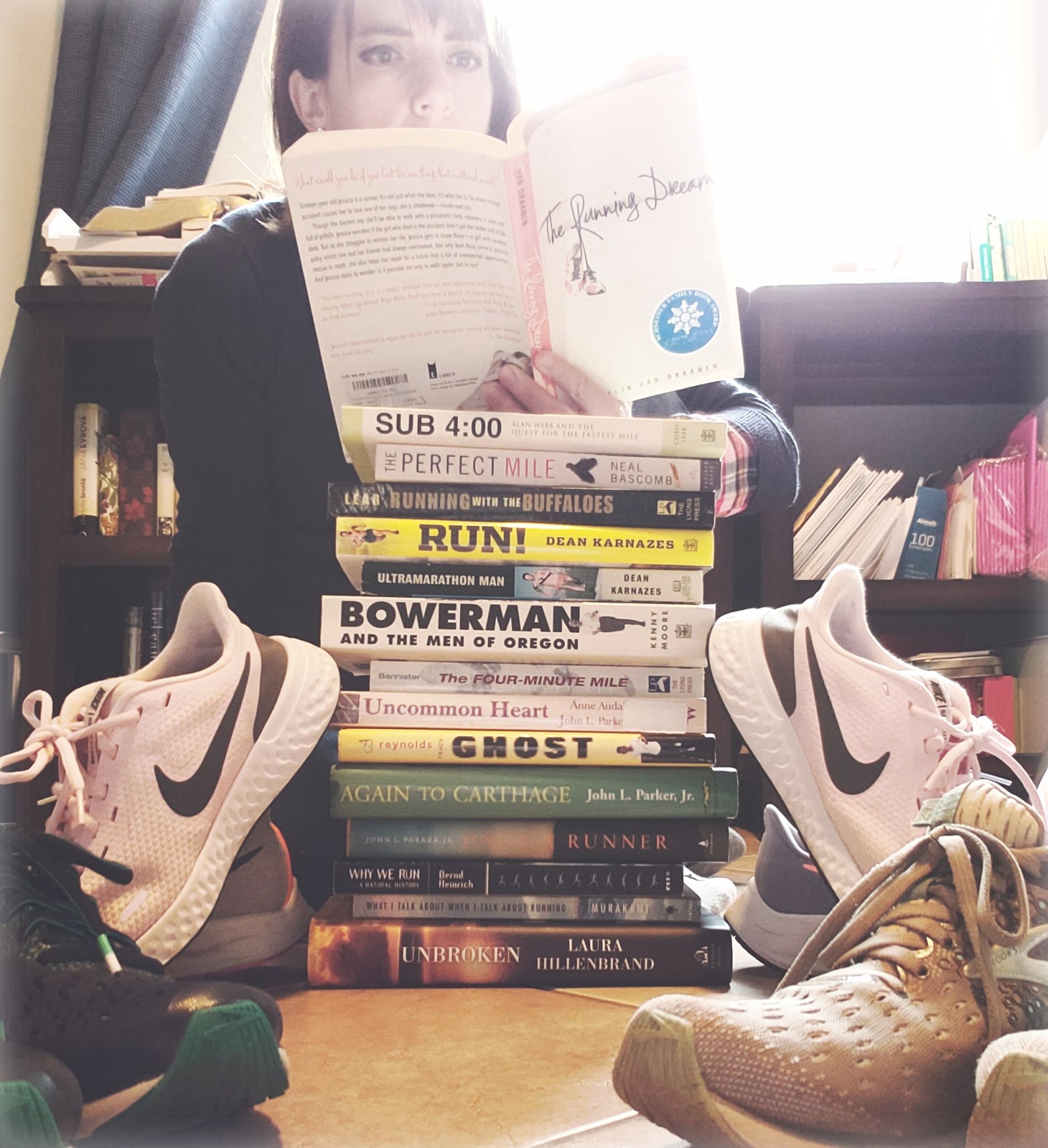
Vlog Review: The Running Dream

Hit Play on the video above.

Premise: Jessica was in an accident that left her in the hospital, recovering as an amputee. She’s a runner without a leg, and she must learn what that means for her present and her future, her family and her friends, her schoolwork and her social life.

Rating: 4/5
Target: 8th grade and up

Main Character: 16 y/o Jessica (she/her)

Title: Jessica has a reoccurring dream about running with her dog early in the morning, something she did regularly before the accident. The dream is both literal, in that when she sleeps she experiences it, and figurative, as her greatest desire is to be able to run again. The latter dream is the arc of the narrative (and then some….read it to find out what I mean, no spoilers here).

Motifs (not exhaustive): hope, determination, loss, injury/setback, community, disabilities, running, freedom, perspective, healthcare, teamwork, charitable causes, friendship, giving

Great for…* (readers): athletes, students with disabilities (or seeking to empathize with people with disabilities), anyone facing a challenge, the community-minded (leaders)

Great for…* (teachers): growth mindset practice, symbolism, structure, community project

Parental Warnings: none — clean content

Shop local bookstores.
Shop Amazon.
Add on Goodreads.

*The “Great for” category is not exhaustive and does not intend to neglect the multitude of readers/teachers who could learn from this book in any number of ways.

RATINGS GUIDE

٭ = DNF, would not recommend
٭٭ = would not recommend
٭٭٭ = enjoyable, would recommend
٭٭٭٭ = very good, would recommend
٭٭٭٭٭ = amazing, would definitely recommend
Book Review: The Marriage Code

I am not a foodie. I recall the expression “Eat to live don’t live to eat” being used in our house from time to time. So, if I don’t do the food elements justice in The Marriage Code by Brooke Burroughs, I both ask your forgiveness and plead ignorance.

Burroughs’s realistic fiction, multicultural romance (tending toward romantic comedy) centers on two characters: Emma and Rishi. Their meet-cute is not so cute. They strongly dislike each other — dare I say distaste for each other? — and there may or may not be (there is) some theft of office treats between the two of them. Their work brings them together in Seattle then sends them off to Bangalore for a year to work on an app. Both seek the same team lead position and when only one gets the job, the other is bitter.

At least for a time.

Like a film (which this could be), it’s clear from the onset that the two will end up together despite the external conflicts of work and culture. Through the third person limited narration, each character shows himself/herself struggling with feelings and thoughts for the other. Sometimes that struggle requires no interpretation as it’s stated outright. Other times, well, let’s just say the word choice is…..suggestive. 

Actually, let’s say more. There were several points early on in the book where I began to get nervous. I wondered if the book was on a trajectory into eroticism. The diction seemed to suggest it was imminent. Thankfully, it did not. Oh, there is sex. But, given the word choice in the build-up, there was shockingly little sex shown. (Yes, I just said “shockingly little sex shown”. Cherish it. The language is more about the tease and the build-up than the act itself.)

However, Burroughs does not hold back on food scenes. Rishi comes to call Emma “Indian food’s number one fan” as they journey through different restaurants where they eat a variety of Indian foods that often evoke moans of appreciation from Emma. (I warned you.) Whether it’s pineapple, lentil-and-rice popadam, prathas, sambar, green beans poriyal. I could go on and on because, well, Burroughs does. To write so much about Indian food, she must be an Indian foodie herself and I cannot do it justice.

The food supplies the scrumptious transition for Emma and Rishi to talk about culture, and that leads to marriage talk. Rishi’s parents have an arranged marriage, but his brother has a love match that causes a divide in his family. Emma, on the other hand, lost her parents at the age of eight and has no family to speak of, but she left Seattle after rejecting a proposal from her long-time boyfriend. 

If you want to read a book about Indian culture, universal family problems, with a lot of food and plenty of sexual referencing, this is a great book for you. I appreciate it, but, like I said, not a foodie so not a big star rating from me.

Rating: 3/5
Target: adult readership

Shop local bookshops.
Shop Amazon.
Add on Goodreads.

RATINGS GUIDE

٭ = DNF, would not recommend
٭٭ = would not recommend
٭٭٭ = enjoyable, would recommend
٭٭٭٭ = very good, would recommend
٭٭٭٭٭ = amazing, would definitely recommend
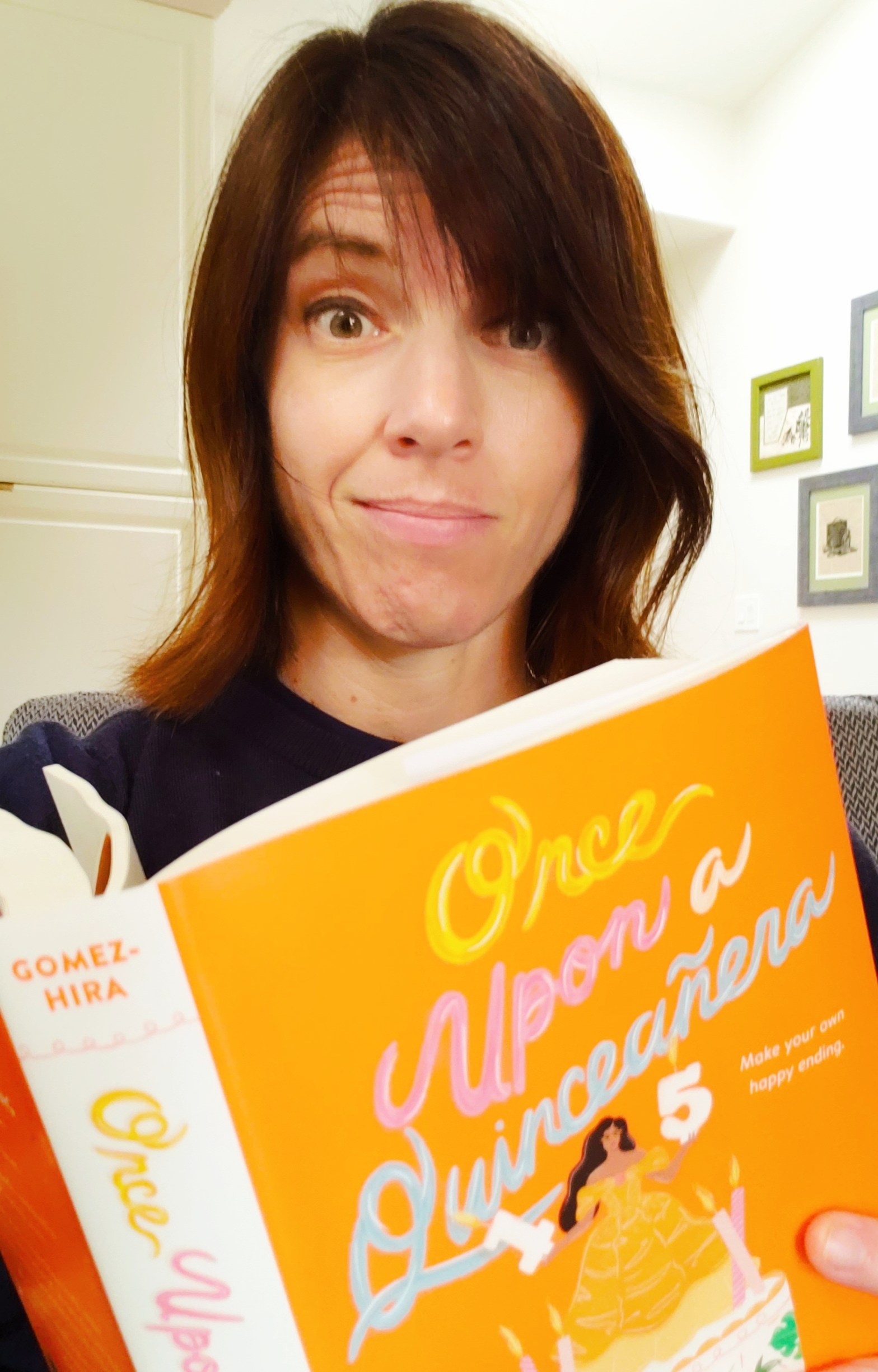
Vlog Review: Once Upon a Quinceañera

Hit Play on the video above.

Premise: Carmen Aguilar must complete a summer project if she wants to graduate high school this year. She’s ruined one project, but her best friend helps her land a new internship with a party princess company. Carmen plays the role of Belle and is mortified when her ex shows up as the Beast. Now she has to learn to deal with him and with her wicked stepsister of a cousin who’s just hired the company to perform at her quince.

Rating: 4/5
Target: 8th grade and up, Latinx especially

Title: The motif of dreams and muddled realities, Disney princesses and villainy run rampant through this novel. I don’t love the title, but it makes sense.

Motifs (not exhaustive): coming of age, Latinx culture, Cuban-American culture, OWN voices, princesses, Disney, beauty & the beast, family relationships, mending broken relationships, growth, multiple cultures, extended family

Great for…* (readers): from a Latinx culture, interested in Latinx culture, or needing exposure to Latinx culture — some Spanish (occasionally, though not always translated to English)

Great for…* (teachers): character arc/growth, motif/theme, culture exposure

Parental Warnings: clear sexual references and scenes, intermittent cursing

Shop local bookstores.
Shop Amazon.
Add on Goodreads.

*The “Great for” category is not exhaustive and does not intend to neglect the multitude of readers/teachers who could learn from this book in any number of ways.

RATINGS GUIDE

٭ = DNF, would not recommend
٭٭ = would not recommend
٭٭٭ = enjoyable, would recommend
٭٭٭٭ = very good, would recommend
٭٭٭٭٭ = amazing, would definitely recommend

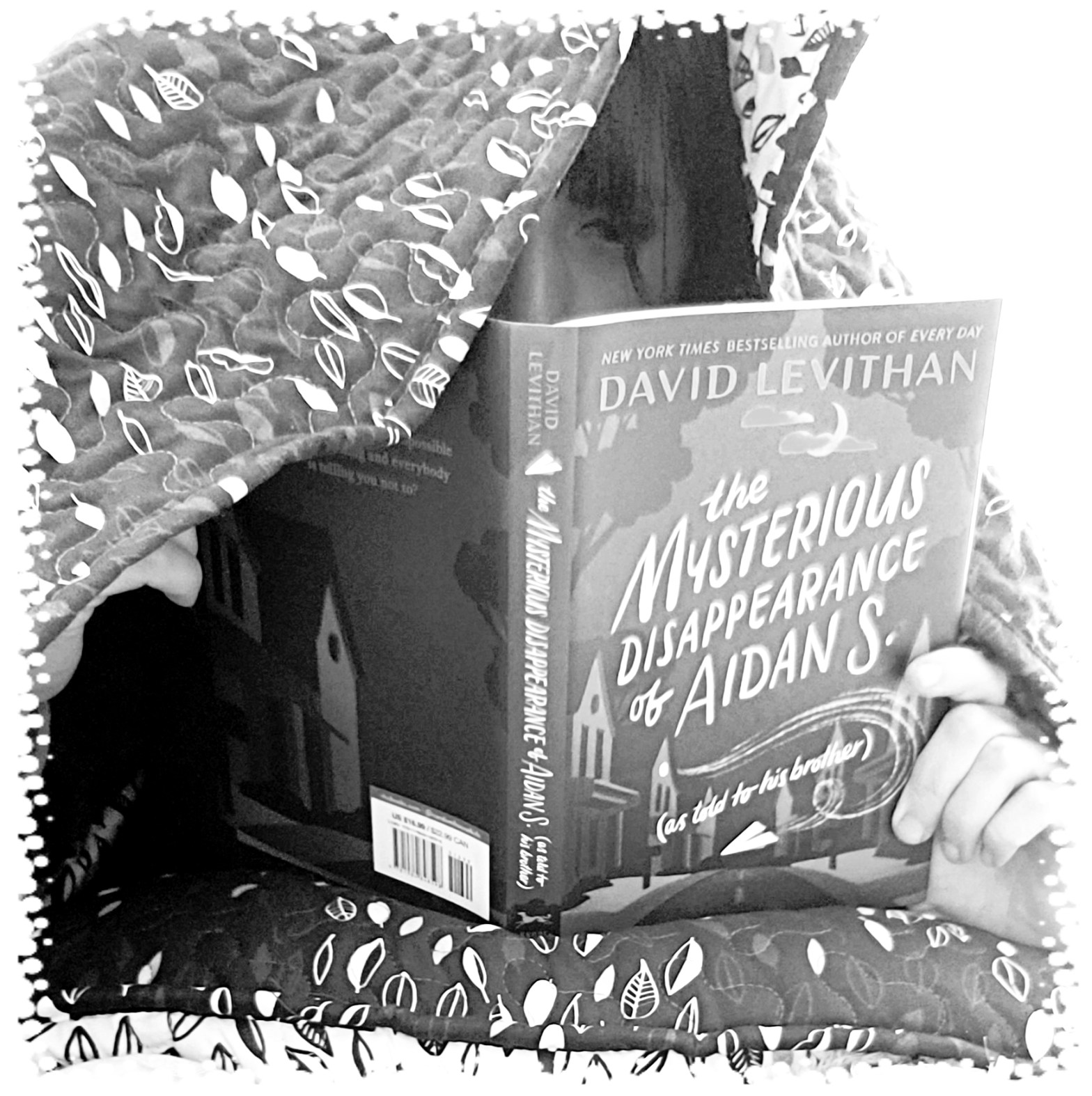
Vlog Book Review: The Mysterious Disappearance of Aidan S. (as told to his brother)

Hit Play on the video above.

Premise: Lucas’s brother Aidan disappeared. For a week, he was nowhere to be found. When he reappears as mysteriously as he disappeared, the entire community is thrilled, but Aidan’s story about where he’s been alters how people react.

Rating: 2.5/5
Target: 4-7

Motifs: truth, camaraderie, belief, friendship, brothers, public opinion, perception, rejection vs. support, LGBQTIA+

Title: not much significance here, other than the potential misconception that the bulk of the narrative will be in Aidan’s words. Lucas tells this narrative. It’s about him and his conflict given Aidan’s disappearance and reappearance.

Main Characters: Aidan (12 y.o. he/him), Lucas (11 y.o. he/him)

Great for…* (readers): who appreciate a story without a lot of action or are looking for positive LGBTIA+ adult role models

Great for…* (teachers): theme/motif development, small groups/reading circles, words of the wiser (Notice&Note)

Shop local bookstores.
Shop Amazon.
Add on Goodreads.

*The “Great for” category is not exhaustive and does not intend to neglect the multitude of readers/teachers who could learn from this book in any number of ways.

RATINGS GUIDE

٭ = DNF, would not recommend
٭٭ = would not recommend
٭٭٭ = enjoyable, would recommend
٭٭٭٭ = very good, would recommend
٭٭٭٭٭ = amazing, would definitely recommend

Book Review: French Exit

I’ll tell you from the beginning. This is a post to declare to you that I would make a fabulous casting director. Or possibly a self-deceiving cheat.

I’ve finished reading French Exit by Patrick DeWitt.  I always want to add an article in front of the title, declaring this book to be about the French exit, but apparently there are many French exits, several in the book, more in reality. 

Anyway, I picked it up, knowing it was in production to be a film — but I didn’t know it was a finished film. In theaters now (in LA and NYC). 

The several French exits in the book are declared early. Fanny Price has gone broke. Her immense wealth that grew upon her marriage has run dry. Absolutely. Nothing left after seven years of warnings from her financial advisor Mr. Baker. When the money runs out, he asks Fanny what her plan had been through those seven years. Her response epitomizes her character: “My plan was to die before the money ran out. But I kept and keep not dying, and here I am.” 

Here, at the time, is stateside, but without a place to stay she soon finds it necessary to head to Paris where a friend has an apartment where Frances may stay. She travels to France with her son because it’s their only option (exit 1), all the while with the plan to rid herself of her final spending money and do as she planned: die (exit 2). But she’ll do it her way, as much as she can. 

DeWitt presents Price fully formed, take her or leave her, and take her you must. She’s just quirky enough, just witty enough, and just sane enough to be mesmerizing beyond her beauty. 

When I first began reading, I envisioned Price as Hepburn with a Brynn Mawr accent, an elitist prig from the early scenes of The Philadelphia Story. But as I read, as DeWitt presents flashbacks that explain the why of what you the reader already know the character is, Price took on more color. She could not be caught in the black and white films of Hepburn, held in the distance by time. No, she was fully-fleshed if standoffish, with a flat American annunciation. Her voice became Michelle Pfeiffer’s, flat and flavored as in I Am Sam where her character must hold it all together for appearances sake.

And this is where I return to my premise for this post. Can you guess which actress plays Frances Price in theaters? Why, none other than Michelle Pfeiffer herself. The character could not be played by anyone as well what with the coupling of physical beauty Pfeiffer possesses with her paradoxically cold voice with undertones of rich emotion — such that it made me wonder if DeWitt wrote the novel with Pfeiffer in mind for the role. If he did, he got what he wanted. 

Either way, I got what I wanted and thus I proclaim myself a great casting director without any other evidence than that which I’ve just noted (and will tell myself that is sufficient evidence to make a case — I’m not claiming I’d make a great lawyer). Either that, or somewhere I caught a glimpse of Pfeiffer in the role and have given myself the credit all the while keeping my conscious self from this knowledge. Deceiving at least myself and possibly you in the process. Take your pick.

But if you want to read this book, you’ve got to want to read it for the dark humor and intoxicating horror of Price, whose grown son lives with her because he wants to and she wants him to. Their relationship keeps Malcolm Price from marrying his fiance. (I’m still perplexed as to why the fiance is interested in Malcolm, but that enigma is never meant to be explained. The Prices are an addiction. Logic need not have anything to do with it. And like all addictions, they’re rather dark and a bit dirty.) The book centers on Frances Price, but it’s not necessarily about her. Once you’ve read it, think about it. Tell me: is the book about Frances or Malcolm or someone else altogether? I’ll be interested to know.

Oh! By the way… I’m eager to see this movie — I hope it’s as arty as I want it to be. And since I’m already a fantastic casting director, I can confidently declare it’s in the film’s best interest to follow the notions I’ve never voiced regarding its most apt aesthetic.

Rating: 3.5/5
Target: adult readership, 16 y.o. and up

Shop local bookshops.
Shop Amazon.
Add on Goodreads.

RATINGS GUIDE

٭ = DNF, would not recommend
٭٭ = would not recommend
٭٭٭ = enjoyable, would recommend
٭٭٭٭ = very good, would recommend
٭٭٭٭٭ = amazing, would definitely recommend

Vlog: Happily Every Afters

Not your capital “L” Literature, but that doesn’t mean it’s not worth the read. It’s light and fun and I love this protagonist (who is supposedly a lot like the author).

Read the review of the other book mentioned in this vlog here. And tell me if you pick up Happily Ever Afters by Elise Bryant.

RATINGS GUIDE

٭ = DNF, would not recommend
٭٭ = would not recommend
٭٭٭ = enjoyable, would recommend
٭٭٭٭ = very good, would recommend
٭٭٭٭٭ = amazing, would definitely recommend