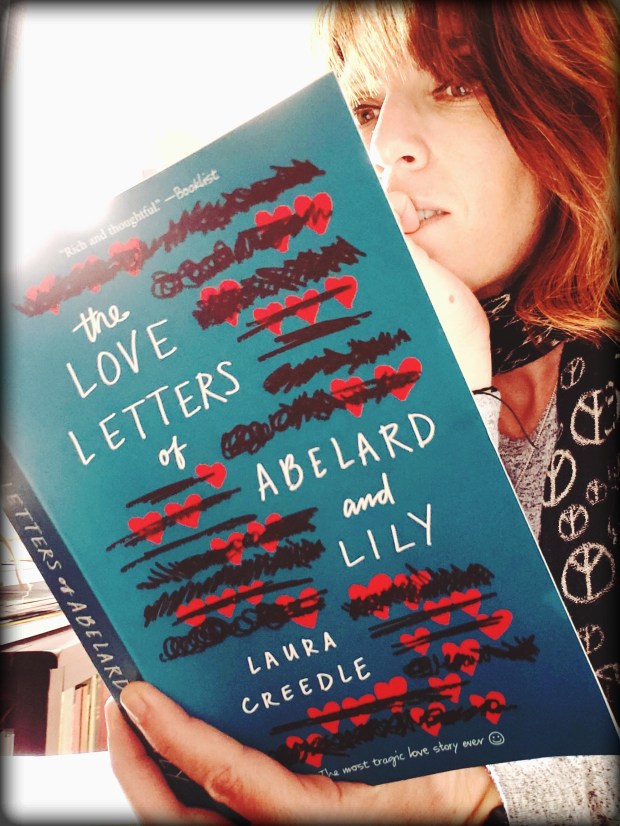
Vlog Review: The Love Letters of Abelard and Lily

Hit Play on the video above.

Premise: Lily has ADHD and failing grades. No matter what she tries, she can’t seem to stay in class, do her homework, quiet the monster inside her, or not break things. When she breaks something on campus, she comes across Abelard, a young man with autism whom she’s known at least since she was seven. The two feel broken until Lily’s impulsiveness (ADHD) propel her to kiss Abelard and the two start dating. But can they stay together or they fated to failure, like the real-life people Abelard and Heloise alluded to in the book’s title?

Rating: 3/5
Target: 9th-12th grade

Title:  Allusion: Abelard was a 12th century French philosopher who exchanged love letters with Heloise, a woman of esteemed intelligence but little purpose. Their letters are recorded in The Love Letters of Abelard and Heloise. (The general narrative is provided in the text of The Love Letters of Abelard and Lily.)

Main Character(s): Lily, 16 y/o (she/her)

Motifs (not exhaustive): neurodivergence, adhd, autism, dyslexia, drug therapy, experimental procedures, family conflict, fate, college, intelligence, hope, comparison to others, literature, film, drama, broken families, romance

Great for…* (readers): strong readers who don’t shy away from SAT words or allusions and quotes to/from medieval literature. (a similar plot structure and work with allusions as Once Upon a Quinceañera which might be better for less confident readers)

Great for…* (teachers): ALLUSIONS AND VOCABULARY! Hello, Mary Shelley’s Frankenstein, stacks of medieval literature, and old Hollywood films. So fun.

Parental Warning(s): None.

Interact: I loved the spelling of words when Lily’s not paying attention to what’s said around her (“Your mother will have to sign the kerblig and return it to the main office before you can be burn to clabs…”). How would you describe what you hear when you’re only half-paying attention?

Shop local bookstores.
Shop Amazon.
Add on Goodreads.

*The “Great for” category is not exhaustive and does not intend to neglect the multitude of readers/teachers who could learn from this book in any number of ways.

RATINGS GUIDE

٭ = DNF, would not recommend
٭٭ = would not recommend
٭٭٭ = enjoyable, would recommend
٭٭٭٭ = very good, would recommend
٭٭٭٭٭ = amazing, would definitely recommend
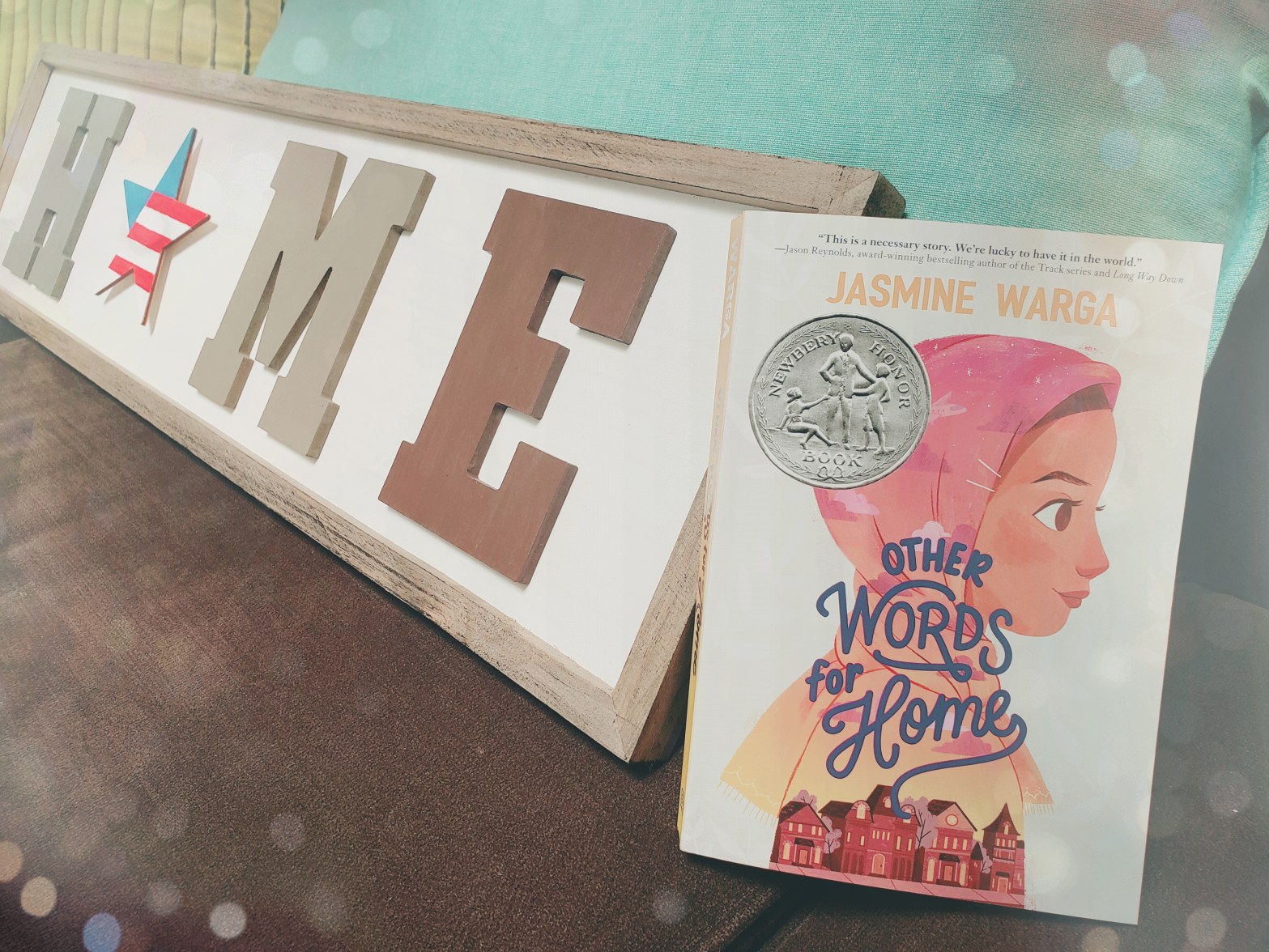
Vlog Review: Other Words for Home, a novel in verse

Hit Play on the video above.

Premise: Division erupts in Jude’s hometown in Syria, causing her brother to side and react differently than her father and sending Jude and her mother to live with family in Ohio. Jude needs courage to leave Syria and begin a life in the U.S. but she also needs courage to face a culture that sees her as someone who does not belong, as someone “middle eastern,” and figure out what home really means when everything is different than it was before.

Rating: 4/5
Target: 4-7

Title:  Jude must improve her English skills while living as a refugee in the United States, so the title can be taken literally, but there’s much more to the concept of home than a word.

Main Character(s): Jude, 12 y/o (she/her)

Motifs (not exhaustive): culture, hope, home, bravery/courage, war, change, terrorism, war, dislocation/refugees, language, middle eastern/syria, anti-refugee behavior, EMPATHY

Great for…* (readers): who appreciate deep thinking OR who are intimidated by the text on a page (as this book is written in verse).

Great for…* (teachers): Symbolism and discussion, discussion, discussion. There is so much in this book that lends itself to deeper meaning than just the words on the page (thereby also playing into the motif of language/communication). The book can be used to challenge preconceived notions and assumptions, so, again: discussion!

Parental Warning(s): Anti-refugee behaviors and words but no cursing

Interact: Who or what means home for you? (Consider sights, scents, textures, etc.)

Shop local bookstores.
Shop Amazon.
Add on Goodreads.

*The “Great for” category is not exhaustive and does not intend to neglect the multitude of readers/teachers who could learn from this book in any number of ways.

RATINGS GUIDE

٭ = DNF, would not recommend
٭٭ = would not recommend
٭٭٭ = enjoyable, would recommend
٭٭٭٭ = very good, would recommend
٭٭٭٭٭ = amazing, would definitely recommend
Vlog Review: Right as Rain

Hit Play on the video above.

Premise: It’s been 278 days since Rain’s brother Guthrie died, and Rain and her parents are moving 288 miles to have a fresh start (even if her mom is the only one who wants one). What happened that night is a big who knows to everyone except for Rain, but that secret means Guthrie’s death is her fault. With her secret and very few other items packed, Rain moves to NYC to process through the loss of her brother and the degradation of her parents’ marriage while she tries to fit into a new environment where she’s off on the wrong foot. (Check out the motifs section, there’s a ton of issues brought up by this book — and all well done.)

Rating: 4/5
Target: 4-8

Title: The title’s meaning remains open to numerous interpretations — so it’s a great discussion point post-read. I’ll wait for you to tell me your interpretation before I divulge mine.

Main Character(s): Rain Andrews, 11 y/o (she/her)

Motifs (not exhaustive): grief/loss, depression, friendship, moving, change, divorce/separation, gardening, teamwork, community, homelessness, gentrification, otherness/belonging, poetry

Great for…* (readers): who have friends experiencing grief. As a mother of kids with nuclear family member loss, I want to give this book to all their friends so that they get an inside perspective of what it’s like. Also good for kids who feel alone, different, isolated, or are experiencing change.

Great for…* (teachers): This book is rife with figurative language and symbolism. It even weaves poetry in (as a school assignment), so it’s kind of asking for work on that front. Many allusions to The One and Only Ivan make for a great pairing if Ivan comes first.

Parental Warning(s): For children who have experienced death of a nuclear family member, this book could stir up difficult emotions.

Interact: Rain runs to wipe her thoughts away and empty her brain. What works for you?

Shop local bookstores.
Shop Amazon.
Add on Goodreads.

*The “Great for” category is not exhaustive and does not intend to neglect the multitude of readers/teachers who could learn from this book in any number of ways.

RATINGS GUIDE

٭ = DNF, would not recommend
٭٭ = would not recommend
٭٭٭ = enjoyable, would recommend
٭٭٭٭ = very good, would recommend
٭٭٭٭٭ = amazing, would definitely recommend

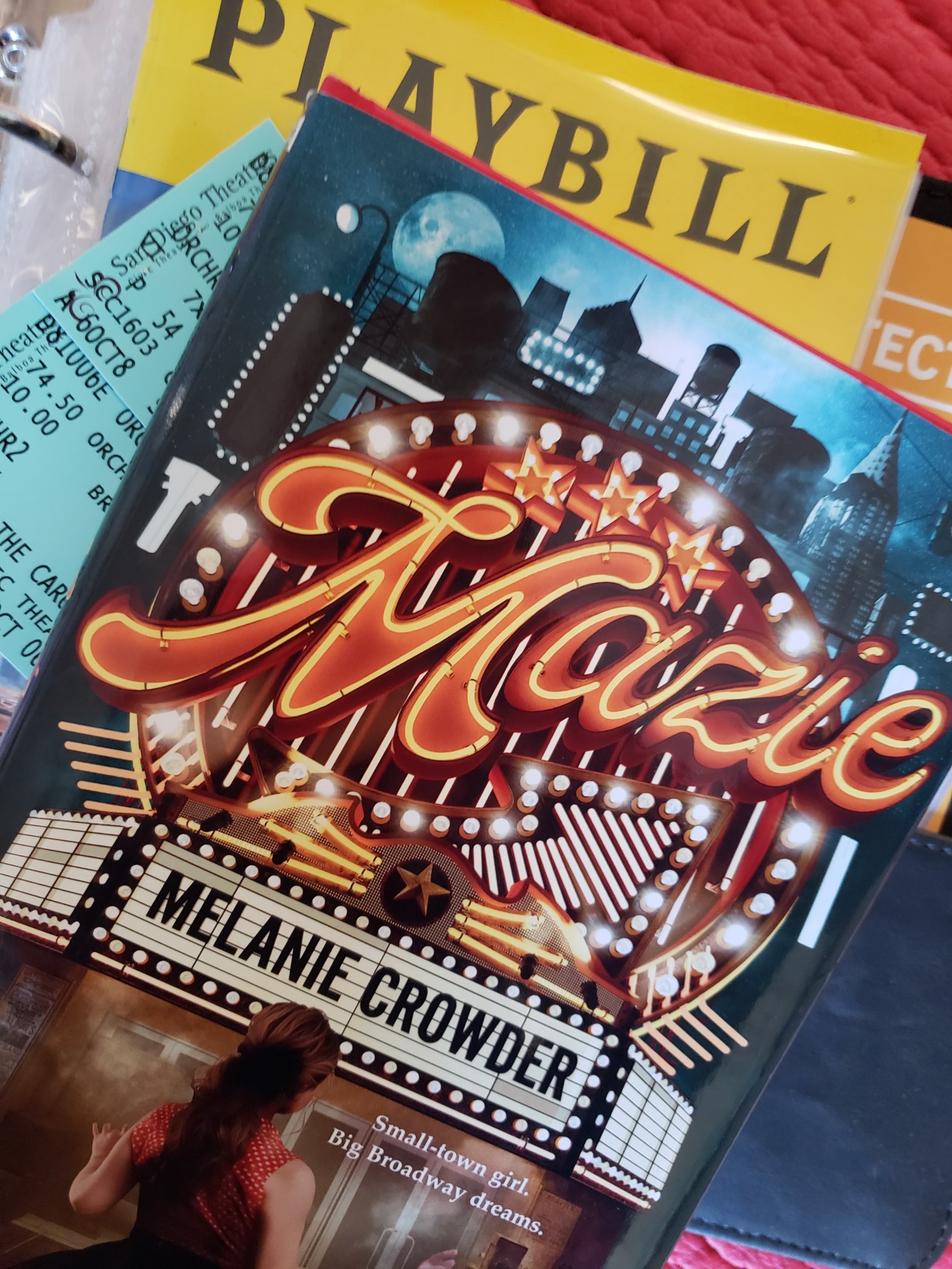
Vlog Review: Mazie

KZ enjoyed this book so much, she forgot it came with gifts in her subscription box.

Hit Play on the video above.

Premise: Graduating from high school in 1959 Nebraska means its time to be an adult: get married, take over the farm (if you’re male), have babies (if you’re female). Mazie Butterfield wants no part of that. She plans to leave her small town for NYC to chase her Broadway dreams. To do so, she’ll have to leave her love behind, breaking both their hearts simultaneously before arriving in a city that doesn’t care if she succeeds or not. Mazie has to figure out what parts of herself she’s willing to let go of and what different ways of thinking she’s willing to accept on the way.

Rating: 4/5, easy to read
Target: 8 & up

Title: The book is a character study. There’s plenty of fun historical content. The time, context add a lot, but boil it down and this book is all about Mazie: what she wants, who she is, where she’s going.

Main Character(s): Mazie Butterfield, 17-turns-18 y/o (she/her)

Motifs (not exhaustive): gender barriers, societal roles, societal expectations, LGBTQ friendly, grief, dreams, identity, theater/performance, independence, romance, loneliness, audacity, voice

Great for…* (readers): I want to be able to say anyone who feels boxed in and wants to break out will love this book, but I think the Broadway setting may act as a barrier for some. However, there are men and women who must deal with what is expected of them in this book, choosing to accept, push back, or reject it in figuring out their own identity. A classic YA trope, right?

Great for…* (teachers): setting (historical and regional), diction (though Crowder didn’t spell the accent in, the accent can be heard), allusion, character study, hopes/dreams project and planning

Parental Warnings: some cursing and unwanted sexual advances from the female perspective

Interact: If you could play in any film, show, production, who would you be and why?

If you like Stage Door (1937), you’ll like this book.

Shop local bookstores.
Shop Amazon.
Add on Goodreads.

*The “Great for” category is not exhaustive and does not intend to neglect the multitude of readers/teachers who could learn from this book in any number of ways.

RATINGS GUIDE

٭ = DNF, would not recommend
٭٭ = would not recommend
٭٭٭ = enjoyable, would recommend
٭٭٭٭ = very good, would recommend
٭٭٭٭٭ = amazing, would definitely recommend

Vlog Review: Turtle Boy

Hit Play on the video above.

Premise: 12 y/o Will Levine just wants to be left alone with his four turtles. He doesn’t want to be called Turtle Boy by the kids at school. He doesn’t want to have surgery on his jaw. He doesn’t want new friends and he doesn’t want his one friendship to change. When Will must complete community service hours in preparation for his Bar Mitzvah, though, his world begins to shift. Will hates hospitals but is assigned to visit a terminally ill teenager with a bucket list he needs help completing. Can a boy who prefers a habitat inside his shell venture beyond it without destroying himself in the process?

Rating: 4/5
Target: 4-9

Title: The title has multiple meanings. The kids at school taunt Will with the name “Turtle Boy” because of the way he looks, but he is also interested in turtles. However, the significance of the title really rests in Will’s propensity to shelter himself from discomfort — like a turtle in a shell.

Main Character(s): Will Levine, 12 y/o (he/him)

Motifs (not exhaustive): grief/death, friendship, terminal disease, bar/bat mitzvah, change, music/drum therapy, turtles/pets, nature, single mom

Great for…* (readers): who are shy, bullied, anxious, or frightened. Many male characters make this a good read for boys while still being appealing to girls, too.

Great for…* (teachers): There’s a bucket list project, a community service project, and a cross-curriculum science/nature project waiting to happen with this book. Plenty to explore there, but the literary merit is mainly in character development, round/flat, dynamic/static, etc.

Parental Warning(s): For children who have experienced death of a parent/friend, this book could bring up memories.

Interact: Will’s favorite animal is, of course, the turtle. He does have a room full of terrariums and turtles, after all. Will says they are not pets, but, for the sake of this activity, let’s talk pets. What kind of pet did/do you want as a kid? Why? And did you ever get it?

Shop local bookstores.
Shop Amazon.
Add on Goodreads.

*The “Great for” category is not exhaustive and does not intend to neglect the multitude of readers/teachers who could learn from this book in any number of ways.

RATINGS GUIDE

٭ = DNF, would not recommend
٭٭ = would not recommend
٭٭٭ = enjoyable, would recommend
٭٭٭٭ = very good, would recommend
٭٭٭٭٭ = amazing, would definitely recommend
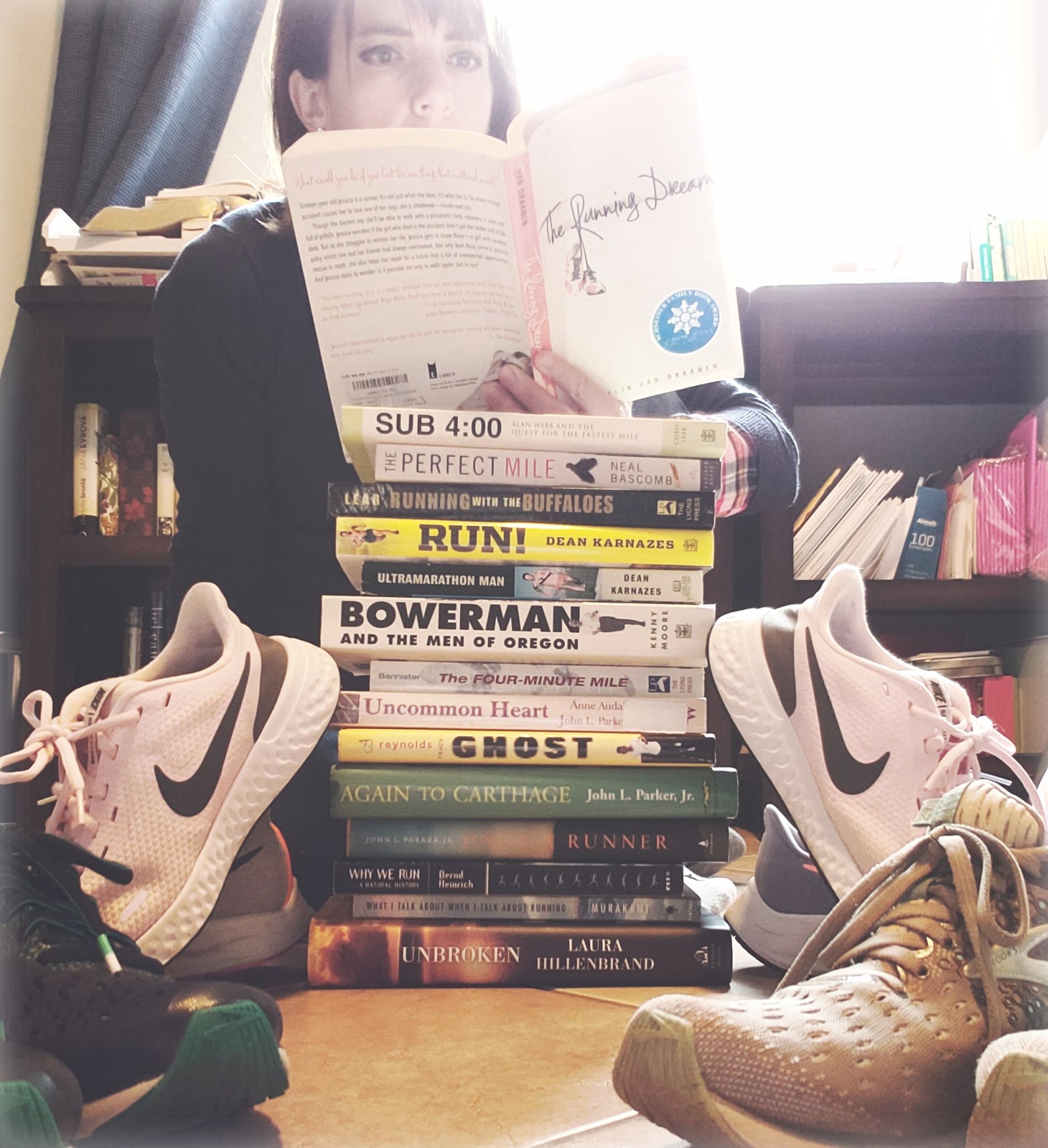
Vlog Review: The Running Dream

Hit Play on the video above.

Premise: Jessica was in an accident that left her in the hospital, recovering as an amputee. She’s a runner without a leg, and she must learn what that means for her present and her future, her family and her friends, her schoolwork and her social life.

Rating: 4/5
Target: 8th grade and up

Main Character: 16 y/o Jessica (she/her)

Title: Jessica has a reoccurring dream about running with her dog early in the morning, something she did regularly before the accident. The dream is both literal, in that when she sleeps she experiences it, and figurative, as her greatest desire is to be able to run again. The latter dream is the arc of the narrative (and then some….read it to find out what I mean, no spoilers here).

Motifs (not exhaustive): hope, determination, loss, injury/setback, community, disabilities, running, freedom, perspective, healthcare, teamwork, charitable causes, friendship, giving

Great for…* (readers): athletes, students with disabilities (or seeking to empathize with people with disabilities), anyone facing a challenge, the community-minded (leaders)

Great for…* (teachers): growth mindset practice, symbolism, structure, community project

Parental Warnings: none — clean content

Shop local bookstores.
Shop Amazon.
Add on Goodreads.

*The “Great for” category is not exhaustive and does not intend to neglect the multitude of readers/teachers who could learn from this book in any number of ways.

RATINGS GUIDE

٭ = DNF, would not recommend
٭٭ = would not recommend
٭٭٭ = enjoyable, would recommend
٭٭٭٭ = very good, would recommend
٭٭٭٭٭ = amazing, would definitely recommend

Book Review: The Marriage Code

I am not a foodie. I recall the expression “Eat to live don’t live to eat” being used in our house from time to time. So, if I don’t do the food elements justice in The Marriage Code by Brooke Burroughs, I both ask your forgiveness and plead ignorance.

Burroughs’s realistic fiction, multicultural romance (tending toward romantic comedy) centers on two characters: Emma and Rishi. Their meet-cute is not so cute. They strongly dislike each other — dare I say distaste for each other? — and there may or may not be (there is) some theft of office treats between the two of them. Their work brings them together in Seattle then sends them off to Bangalore for a year to work on an app. Both seek the same team lead position and when only one gets the job, the other is bitter.

At least for a time.

Like a film (which this could be), it’s clear from the onset that the two will end up together despite the external conflicts of work and culture. Through the third person limited narration, each character shows himself/herself struggling with feelings and thoughts for the other. Sometimes that struggle requires no interpretation as it’s stated outright. Other times, well, let’s just say the word choice is…..suggestive. 

Actually, let’s say more. There were several points early on in the book where I began to get nervous. I wondered if the book was on a trajectory into eroticism. The diction seemed to suggest it was imminent. Thankfully, it did not. Oh, there is sex. But, given the word choice in the build-up, there was shockingly little sex shown. (Yes, I just said “shockingly little sex shown”. Cherish it. The language is more about the tease and the build-up than the act itself.)

However, Burroughs does not hold back on food scenes. Rishi comes to call Emma “Indian food’s number one fan” as they journey through different restaurants where they eat a variety of Indian foods that often evoke moans of appreciation from Emma. (I warned you.) Whether it’s pineapple, lentil-and-rice popadam, prathas, sambar, green beans poriyal. I could go on and on because, well, Burroughs does. To write so much about Indian food, she must be an Indian foodie herself and I cannot do it justice.

The food supplies the scrumptious transition for Emma and Rishi to talk about culture, and that leads to marriage talk. Rishi’s parents have an arranged marriage, but his brother has a love match that causes a divide in his family. Emma, on the other hand, lost her parents at the age of eight and has no family to speak of, but she left Seattle after rejecting a proposal from her long-time boyfriend. 

If you want to read a book about Indian culture, universal family problems, with a lot of food and plenty of sexual referencing, this is a great book for you. I appreciate it, but, like I said, not a foodie so not a big star rating from me.

Rating: 3/5
Target: adult readership

Shop local bookshops.
Shop Amazon.
Add on Goodreads.

RATINGS GUIDE

٭ = DNF, would not recommend
٭٭ = would not recommend
٭٭٭ = enjoyable, would recommend
٭٭٭٭ = very good, would recommend
٭٭٭٭٭ = amazing, would definitely recommend
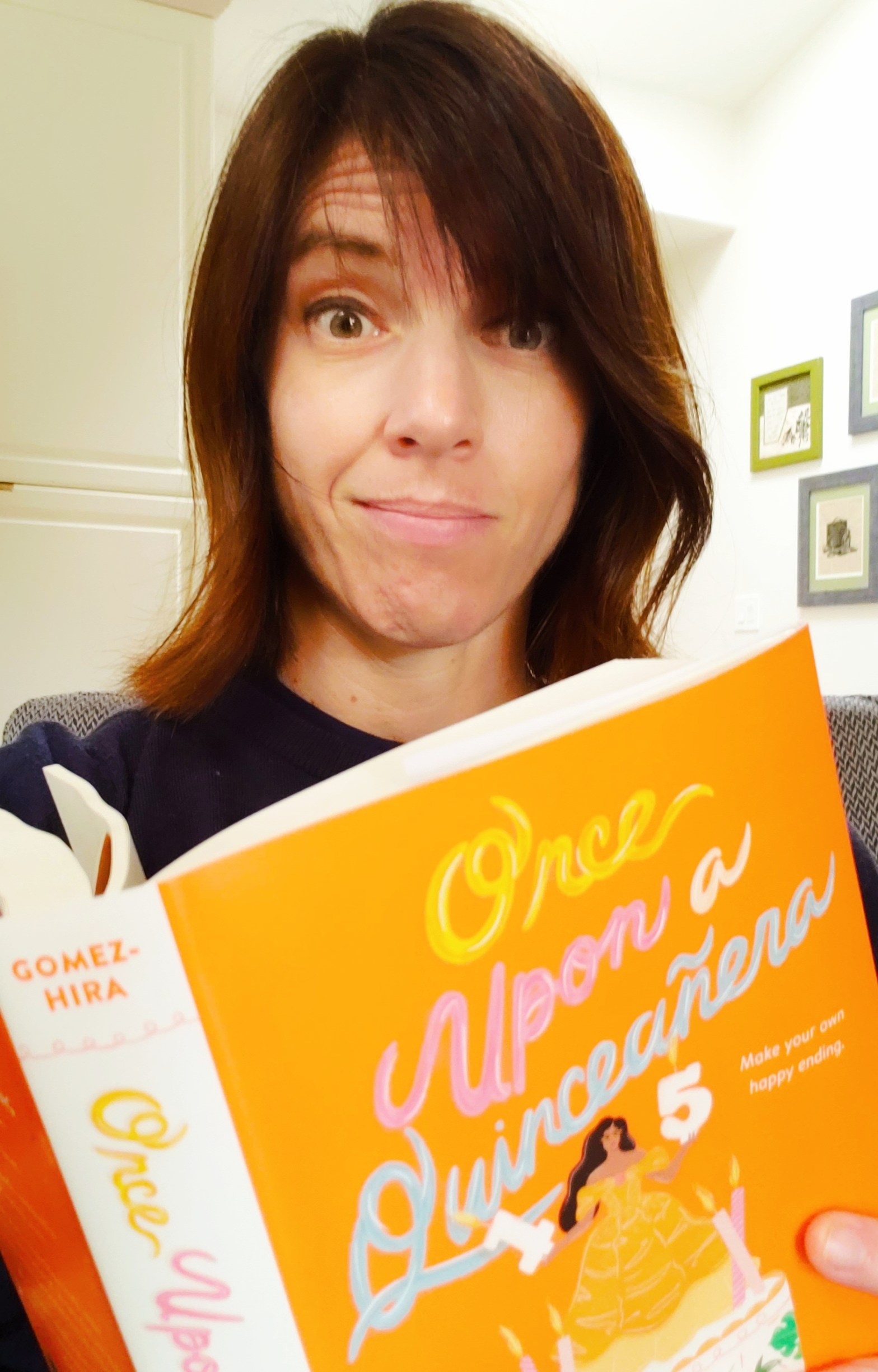
Vlog Review: Once Upon a Quinceañera

Hit Play on the video above.

Premise: Carmen Aguilar must complete a summer project if she wants to graduate high school this year. She’s ruined one project, but her best friend helps her land a new internship with a party princess company. Carmen plays the role of Belle and is mortified when her ex shows up as the Beast. Now she has to learn to deal with him and with her wicked stepsister of a cousin who’s just hired the company to perform at her quince.

Rating: 4/5
Target: 8th grade and up, Latinx especially

Title: The motif of dreams and muddled realities, Disney princesses and villainy run rampant through this novel. I don’t love the title, but it makes sense.

Motifs (not exhaustive): coming of age, Latinx culture, Cuban-American culture, OWN voices, princesses, Disney, beauty & the beast, family relationships, mending broken relationships, growth, multiple cultures, extended family

Great for…* (readers): from a Latinx culture, interested in Latinx culture, or needing exposure to Latinx culture — some Spanish (occasionally, though not always translated to English)

Great for…* (teachers): character arc/growth, motif/theme, culture exposure

Parental Warnings: clear sexual references and scenes, intermittent cursing

Shop local bookstores.
Shop Amazon.
Add on Goodreads.

*The “Great for” category is not exhaustive and does not intend to neglect the multitude of readers/teachers who could learn from this book in any number of ways.

RATINGS GUIDE

٭ = DNF, would not recommend
٭٭ = would not recommend
٭٭٭ = enjoyable, would recommend
٭٭٭٭ = very good, would recommend
٭٭٭٭٭ = amazing, would definitely recommend

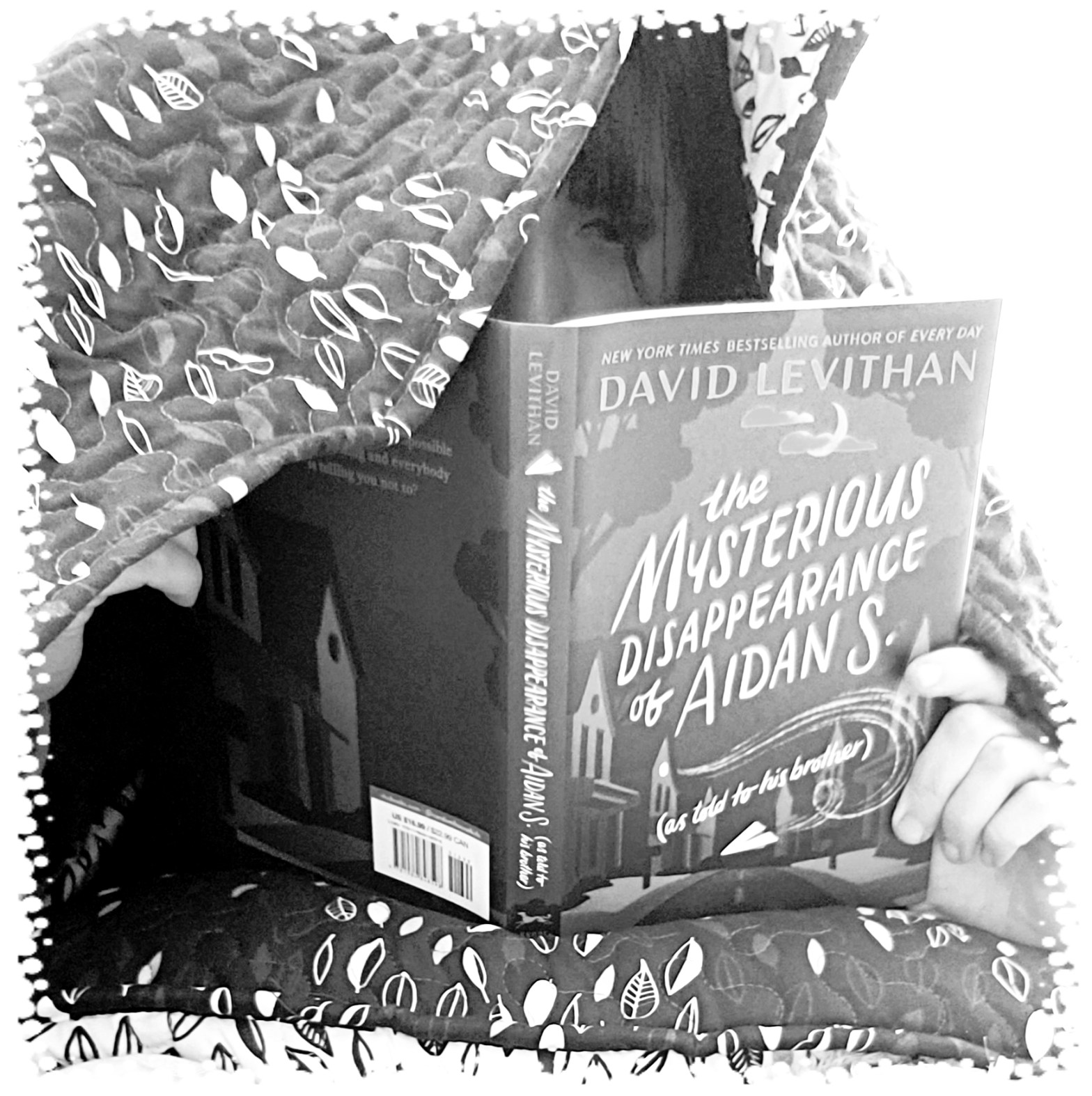
Vlog Book Review: The Mysterious Disappearance of Aidan S. (as told to his brother)

Hit Play on the video above.

Premise: Lucas’s brother Aidan disappeared. For a week, he was nowhere to be found. When he reappears as mysteriously as he disappeared, the entire community is thrilled, but Aidan’s story about where he’s been alters how people react.

Rating: 2.5/5
Target: 4-7

Motifs: truth, camaraderie, belief, friendship, brothers, public opinion, perception, rejection vs. support, LGBQTIA+

Title: not much significance here, other than the potential misconception that the bulk of the narrative will be in Aidan’s words. Lucas tells this narrative. It’s about him and his conflict given Aidan’s disappearance and reappearance.

Main Characters: Aidan (12 y.o. he/him), Lucas (11 y.o. he/him)

Great for…* (readers): who appreciate a story without a lot of action or are looking for positive LGBTIA+ adult role models

Great for…* (teachers): theme/motif development, small groups/reading circles, words of the wiser (Notice&Note)

Shop local bookstores.
Shop Amazon.
Add on Goodreads.

*The “Great for” category is not exhaustive and does not intend to neglect the multitude of readers/teachers who could learn from this book in any number of ways.

RATINGS GUIDE

٭ = DNF, would not recommend
٭٭ = would not recommend
٭٭٭ = enjoyable, would recommend
٭٭٭٭ = very good, would recommend
٭٭٭٭٭ = amazing, would definitely recommend
Vlog Review: I Can Make This Promise

Hit Play on the video above.

Premise: Who is Edie Green and what makes her different? Firstly, she didn’t know she was different until kindergarten when her teacher asked her where her family is from and all she could say was Seattle. Secondly, her mom is Native American, adopted into a white family. As far as Edie knows, they have no connection to her mother’s birth family. She doesn’t know if she’s a part of a local tribe or not. What she does know is she has Native American features — strikingly similar to a woman in a photograph Edie and her friends discover hidden in the attic. But who is the woman in the picture? And how could her parents be hiding information about this woman that may relate to her identity from her?

Rating: 4.5/5
Target: 5-8

Title: The title encapsulates the entirety of the book and only takes its full significance in the final pages. So, to be purposely vague, it’s poignant.

Main Characters: Edie Green, 12 y/o (she/her)

Motifs (not exhaustive): identity, friendship, truth & hidden truth, disagreement, artistry/creativity, otherness, acceptance, coming of age, Native American history/culture, American history, family/adoption

Great for…* (readers): who are themselves coming of age, figuring out who they are and how they fit into a world with ever-changing knowledge about themselves. Readers who appreciate OWN voices, a bit of mystery, or history will also enjoy this book.

Great for…* (teachers): x Native American history, x Washington state history, motif and theme development, x art/film project, MAKE SURE TO READ THE AUTHOR’s NOTE FOR RELATED CLASS CONTENT/PROJECTS.

If you find yourself getting asked “What are you?” or “Where are you from?” how do you respond? What do you want the people who ask those questions to understand?

Shop local bookstores.
Shop Amazon.
Add on Goodreads.

*The “Great for” category is not exhaustive and does not intend to neglect the multitude of readers/teachers who could learn from this book in any number of ways.

RATINGS GUIDE

٭ = DNF, would not recommend
٭٭ = would not recommend
٭٭٭ = enjoyable, would recommend
٭٭٭٭ = very good, would recommend
٭٭٭٭٭ = amazing, would definitely recommend